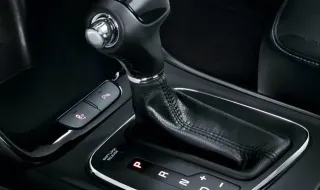
A major overhaul of an automatic transmission is traditionally among the most serious and financially burdensome items in the maintenance of a car. However, in most cases, fatal damage does not occur suddenly, but is preceded by clear indications. Careful monitoring of the vehicle's behavior allows drivers to react in time before a cosmetic problem has turned into an irreversible mechanical collapse.
One of the most typical and insidious symptoms of advanced wear is the so-called slippage. In this case, the engine speed rises sharply when the accelerator pedal is pressed, but the car does not accelerate with the expected dynamics or completely loses traction. This effect usually signals critical wear of the friction discs or a serious defect in the torque converter. No less alarming is the appearance of jolts, vibrations or noticeable delays when changing gears. With a working transmission, shifting is smooth and imperceptible, while rough behavior is most often the result of deteriorated transmission oil or a malfunction in the hydraulic unit.
An absolute sign of the need for immediate technical intervention are also unusual sounds emanating from the area under the passenger compartment. Metallic creaking, constant humming or increasing whining while driving almost always reveal physical damage to internal components, most often including bearings. Added to this is the risk of spontaneous gear disengagement or a complete lack of response when moving the selector.
An external inspection of the car also provides key information about the condition of the unit. The appearance of reddish or dark brown spots in the parking space reveals a transmission fluid leak, which quickly leads to a critical drop in pressure in the system. In addition, the presence of a persistent burning smell from the engine compartment is a sure indicator of systemic overheating and thermal destruction of the friction materials, which requires immediate diagnostics in a specialized service center.