The automatic transmission is one of the most complex, precise and expensive to repair units in a modern car. Since it is directly responsible for the smooth transmission of torque, cooling and stability when changing gears, proper lubrication of its components is of critical importance for the entire service life.
Over time, the transmission fluid loses its basic properties due to high operating temperatures and the accumulation of fine metal particles and friction products. Worn oil lubricates worse, overheats more easily and leads to the appearance of unpleasant jerks, delays when switching or noise. To avoid costly breakdowns, regular maintenance is a must, but the question arises: which replacement method to choose?
Classic partial replacement: Limited renewal with a traditional approach
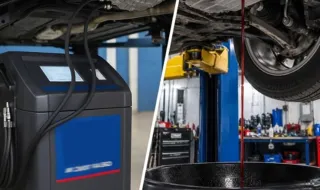
Partial replacement is the traditional procedure, in which maintenance is carried out by simply draining through the plug or removing the crankcase. The main advantage here is the lack of the need for specialized equipment, which makes the process more accessible and faster at first glance.
However, the big disadvantage of this approach is that it renews only 40% to 60% of the total volume. A significant amount of old and contaminated oil remains blocked inside the torque converter, valve block, cooling paths and internal channels. The new fluid is simply mixed with the remaining old fluid, which requires repeating the procedure several times over a short period of time to achieve a higher degree of cleanliness.
Hardware Flushing: Complete Renewal and Deep Cleaning of the System
A complete oil change is performed with a special station that is connected directly to the transmission circulation circuit. In this method, also known as volumetric displacement, the new fluid gradually displaces the old fluid under pressure, replacing practically the entire working volume within a single visit to the service center.
Specialized flushing additives are often used during hardware servicing, which break down deposits and remove accumulated dirt from the valves and solenoids. It is true that this process requires a larger amount of fresh oil to completely flush the system, but the end result provides a flawless operating environment for the hydraulics.
Which option provides better protection against overheating and wear
Unlike the partial method, which is also recommended at a certain interval, a full service provides the most effective heat dissipation — a key factor for the survival of automatics in city traffic jams or more dynamic driving. Fresh oil restores the correct operation of the hydraulic unit, reduces the risk of overheating and eliminates fluctuations when changing gears.
It is important to note that no method of changing the fluid can eliminate already existing severe mechanical defects or physical wear of the components. However, as a preventive measure, a full machine renewal is significantly superior to the classic drain and guarantees the longest possible life of the gearbox.