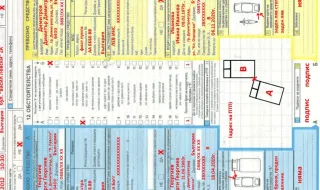
Completing documents yourself after a minor traffic accident saves time and waiting at intersections, but inattention can be costly. Filling out the popular two-sided accident report without the intervention of the “Traffic Police“ hides serious risks that often lead to a refusal or a drastic reduction in compensation from insurers under the mandatory “Third Party Liability“ insurance. Lawyers and insurance law experts outline the three most common traps that drivers in our country fall into.
The first serious mistake
is related to the violation of legal deadlines and the procedure for notifying the insurer. The Insurance Code requires informing the company within a strictly defined time window after the incident. Any delay or omission in sending the correctly completed document gives insurance companies grounds to delay payment of the damage or even partially refuse coverage.
The second common mistake
is related to the form and method of filling out the two-sided protocol itself. Clear and precise entry of data - without crossing out, with a clear sketch of the incident and a categorical note of the fault - is of critical importance. Many drivers underestimate the details in paper format or make mistakes when filling out the vehicle data, which makes the document invalid in the eyes of the damage adjusters.
The third and most dangerous trap
is blind trust in the so-called independent mobile groups, assistance companies or self-proclaimed “mediators“ who appear at the scene of the accident. These individuals often induce injured drivers to sign settlements for much less than the actual damages. Lawyers advise drivers to never sign documents with third parties at the scene of an accident before thoroughly understanding the legal implications.