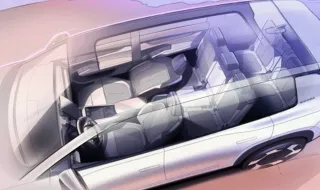
The world's automotive design studios are facing a serious transformation that could lead to layoffs in the coming years due to the introduction of artificial intelligence. Modern algorithms now have the ability to transform simple basic sketches into detailed and ready-to-use images in just a matter of seconds. Karl Neugold, who heads the exterior design department at the Czech manufacturer Skoda, admitted to the media that he is deeply impressed by the capabilities of these software solutions, but at the same time he recognizes serious risks for the future of the new generation of specialists.
According to the designer, the effectiveness of new technologies is striking. Based solely on an elegant draft on a piece of paper, artificial intelligence generates a multitude of alternative visual concepts in an instant, surpassing in detail even what an experienced professional could visualize in hours. This dramatically shortens the time for the creative process, allowing leading specialists to experiment and develop their concepts at an unprecedented speed.
However, Neugold is adamant that mastery of these digital tools is now becoming a mandatory requirement for survival in the industry. Pure hand-drawing skills are no longer enough for market success; the modern designer must perfectly understand the algorithms and integrate them into their daily work to remain competitive.
However, increased productivity also hides serious social consequences for the industry
When a smaller team can do the work of an entire department thanks to automation, the need to hire new staff is drastically reduced. The experienced Skoda designer expresses serious concern about the fate of young talents, for whom the doors of automotive studios are closing more and more difficult in an attempt to gain the much-needed initial professional experience.
Despite the technological boom, during job interviews Neugold continues to require classic hand-drawn sketches from candidates. According to him, it is they who reveal the true creative potential and individuality of the author, proving that the human mind and inspiration remain an indispensable foundation in the creation of a new car.
For the brand from Mlada Boleslav, this also means a constant search for balance with consumer expectations. The design team relies not only on traditional practical solutions such as the iconic smart details in the cabin, but also on an increasingly emotionally affecting appearance of the new models.
Other giants in the industry are also actively experimenting with similar technologies. General Motors already relies on software to turn sketches into photorealistic renderings and for virtual aerodynamic tests, while Ford is using artificial intelligence to restore and colorize archival black-and-white photographs from the golden age of prototypes in the 1960s.
Last year, former Mercedes-Benz chief designer Gordon Wagener made an extremely radical prediction that artificial intelligence could completely replace humans in this profession within a decade. Carl Neugold maintains a more moderate tone, allowing for staff optimization, but continues to persistently search for that authentic creative spirit and independent thinking in young professionals that machines cannot yet draw.