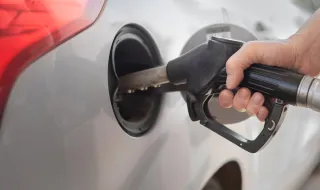
Filling in fake or low-quality fuel can become a nightmare for any driver, whose symptoms are felt only a few kilometers after leaving the gas station. Experienced drivers have long known that the price and the familiar sign on the column are not a sufficient guarantee of safety, so attention to the details and documentation of the petroleum products themselves is of critical importance. Knowing the main quality markers at Bulgarian gas stations protects engines from expensive and unpleasant accidents.
The first and most reliable indicator of the quality of the fuel offered is the presence of an official certificate or declaration of conformity, which by law must be kept in the customer area or made available by the staff. If employees refuse or delay in showing this document, this is a clear signal of alarm that the batch may be of dubious origin. The document itself must clearly state the trade name of the motor gasoline, and any deviations or unclear abbreviations raise reasonable suspicions of a deviation from the standards.
The next step is a careful check of the markings, which for quality gasoline meet the strict European environmental requirements for the Euro-5 class. The octane number, whether it is 95 or 100, must completely match the data on the column and the official laboratory passport of the batch. Particular attention should be paid to indicators such as sulfur content, the values of which for high-grade fuels must not exceed the minimum permissible limits. Exceeding these standards leads to the formation of aggressive acids during combustion, which quickly destroy injectors, the expensive catalyst and engine oil.
In the documentation, it is also important to monitor the regulatory standard by which the product was manufactured, while also checking the batch number, volume and exact date of issue. An overly old date on an active gas station may indicate irregular or altered documents, and the presence of an authentic original seal is a prerequisite for legitimacy. In addition, experts advise paying attention to the absence of prohibited or excessive octane enhancers such as monomethylaniline, the presence of which in the fuel can fatally damage the car's sensitive electronic components and lambda probes.