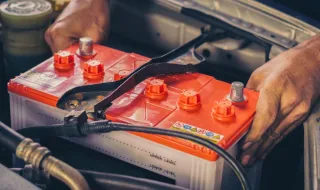
The car battery remains one of the most critical elements in the device of any vehicle, since its condition directly affects the trouble-free start of the engine and the stable functioning of all on-board electronics. In the conditions of the modern market, replacing this part is becoming an increasingly serious expense, which is often financially equal to the annual cost of mandatory "Third Party Liability" insurance. It is for this reason that competent maintenance and prevention of premature wear are of key importance for every driver who seeks to avoid unexpected damage and unnecessary expenses.
To maintain optimal capacity, it is necessary to strictly avoid both full discharge and overcharging of the battery. It is recommended to use only specialized chargers equipped with desulfation and smooth current supply functions, which protect the internal plates from degradation. In addition, maintenance requires regular checking of the electrolyte level and density in serviceable models, systematic cleaning of the terminals from oxidation and deposits, as well as ensuring the stable and firm leveling of the module in the engine compartment.
Temperature fluctuations also cause serious damage to the chemical processes in the cell. During the winter months, the use of thermal covers and appropriate insulating materials prevents a sharp drop in voltage, while during the summer heat, ensuring good ventilation and protection from direct sunlight prevent overheating. In parallel with caring for the battery itself, a key step is periodic diagnostics of the vehicle's electrical system – Regular inspection of the alternator, voltage regulator and the absence of leaks prevents imperceptible depletion of the resource.
The correct choice of a new battery must be fully consistent with the manufacturer's instructions, taking into account the specifics of climatic conditions, driving style and additional power consumption by the equipment in the passenger compartment. The implementation of these practical measures in regular car care guarantees a significant extension of the service life, optimizes service costs and provides complete confidence every time you set off.
Additional safety in everyday life on the road can be achieved by observing several more important rules that often remain unnoticed by drivers. Turn off all power-hungry consumers such as headlights, air conditioning, radio and seat heating before turning the ignition key to prevent peak loads on the starter battery.
With frequent short-distance driving, especially in urban conditions, the alternator does not have enough time to recover the energy used during starting, so it is advisable to take a longer trip out of town once every few weeks. If the car will not be used for a long time, it is best to disconnect the negative terminal or connect the battery to an intelligent maintenance charger. Also, try to avoid starting the engine by pushing or pulling in manual transmissions, as this can lead to unburned fuel in the catalytic converter and serious electrical shocks to the electronic units.