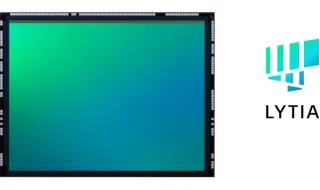
Sony has introduced the LYTIA 720 - a new CMOS sensor for smartphones with approximately 50 effective megapixels. The model is designed for the main cameras of mobile devices and is built in a 1/1.56-inch format with a diagonal of 10.24 mm. The company describes the LYTIA 720 as a sensor with “industry-leading low-light performance“. The claim is made by Sony and is based on its own research, stated at the product presentation. The main technological change is the use of the Ultra High Conversion Gain (UHCG) scheme. It increases the efficiency of light signal conversion and, according to Sony, reduces random noise by approximately 50% compared to the previous LYTIA 700.
This is aimed at photos and videos in dark environments, where digital noise is usually most visible. Sony says the new sensor can provide a brighter image with similar noise levels to the LYTIA 700. The LYTIA 720 combines UHCG with Hybrid Frame-HDR (HF-HDR) - a technology that combines data from exposures of different lengths. This allows the sensor to achieve a dynamic range of 100 decibels. In high-contrast scenes, this should help preserve more detail in the shadows and limit overexposed areas. Sony says the result is closer to how the human eye perceives such a scene. The sensor supports 4K HDR video recording at 60 frames per second with autofocus using all pixels. This mode uses single-frame HDR technology, which Sony says reduces motion artifacts and allows for longer exposure times in low light. At full resolution, the LYTIA 720 can shoot at 30 frames per second, and at 12.5 megapixels, it can shoot at 90 frames per second. The sensor also supports 4K video recording at up to 120 frames per second in the modes specified by the manufacturer. Mass shipments of the LYTIA 720 are scheduled for early November 2026, and Sony has not yet specified which specific smartphone models will be the first to use the new sensor.