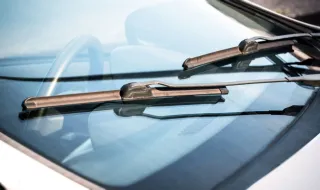
Poor visibility during rain or snow is among the main factors contributing to dangerous situations on the road. Over time, wiper blades lose their flexibility, begin leaving annoying water streaks and produce unpleasant squeaking sounds while operating. Before resorting to purchasing a new set, there are several effective technical approaches that can extend the life of the existing blades and restore their functionality.
The main reason for the poor performance of the cleaning mechanism is often the accumulation of stubborn dirt, microscopic dust and an oily film on the rubber surface. Careful cleaning with a soft cloth and car shampoo or with a specialized degreaser removes the buildup and restores smooth contact with the glass. Aggressive solvents such as gasoline or acetone should be avoided, as they damage the rubber's structure and accelerate its deterioration.
Another common problem is the loss of rubber elasticity as a result of exposure to ultraviolet rays and temperature fluctuations. Treating the wiping edge with silicone spray or glycerin helps soften the material and prevents it from hardening further. After applying the product, it is extremely important to wipe the blades thoroughly with a dry microfiber cloth so that no greasy marks are left on the windshield.
When the blade's edge is physically worn or unevenly damaged, mechanical trimming offers a direct solution. Specialized tools with a fine blade, known as wiper blade cutters, are available on the market. A single pass along the length of the rubber removes a microscopic layer from the damaged edge, revealing a new, sharp and even profile. This method allows for one or two renewals, provided that the rubber is not completely cracked.
Before carrying out any procedures on the rubber itself, the technical condition of the arms must also be checked. An incorrect pressure angle or weakened holder springs are often the real cause of squeaking and missed areas on the glass. Adjusting the arm geometry ensures perpendicular contact with the surface, providing quiet and effective cleaning.
It should be noted, however, that all the methods listed above provide only a temporary extension of the components' service life and improved functionality. If deep cracks, complete hardening or structural deterioration of the rubber appear, the only safe and long-term solution is replacement with new original or high-quality aftermarket blades.
Many drivers resort to using strong degreasers, alcohol or aggressive chemicals to remove accumulated dirt from windshield wiper blades. However, this approach carries a serious risk, as direct washing removes the fine graphite or Teflon layer factory-applied to the rubber surface. This special protective film is responsible for smooth gliding without skipping and for the complete absence of unpleasant squeaking during operation.
The loss of the protective coating leads to direct friction between the raw rubber and the windshield, which dramatically accelerates blade wear and causes vibrations. To safely remove accumulated dust and road grease, it is recommended to use only a soft microfiber cloth lightly moistened with water or a mild car shampoo. Avoiding pressure and refraining from using solvents preserves the graphite microstructure intact.
When the graphite coating has already been partially worn away or washed off, specialized dry graphite lubricants and sprays are available on the market. Carefully applying such a product to the cleaned and dried rubber allows the sliding layer to be restored. The procedure requires precision and complete drying of the treated area to prevent the glass from being contaminated with dark marks when the wipers are first activated.
When the outer protective layer has been completely erased and the rubber beneath it has begun to harden and crack, mechanical attempts at restoration are no longer worthwhile. At this stage, replacing the blades with new ones remains the only way to guarantee optimal visibility and safety when driving in poor weather conditions.