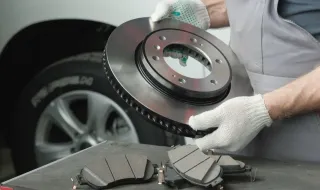
When the braking system is functioning properly, the pads usually give out first and need to be replaced. If the opposite happens, however, and the metal disc becomes thinner before the friction material, this is a sure sign of a technical fault or a serious maintenance error. The main culprit behind this accelerated process is most often found in the brake pads themselves, when they have been selected incorrectly or are of excessively low quality.
When the friction compound of the pad is too hard, it literally starts grinding away at the surface of the disc. In such situations, the pads may still appear perfectly fit for use, but the disc has already lost its critical thickness and must be replaced immediately.
The second significant risk is related to thermal stress and overheating. Frequent and sudden braking subjects the metal components to enormous stress, which over time leads to uneven wear and serious deformation. A classic example is driving into an ice-cold puddle or washing the car immediately after dynamic driving. During sudden cooling, the metal contracts unevenly, leading to the formation of microcracks, warping and unpleasant vibration when the pedal is pressed.
The third cause lies in faults affecting the brake calipers. If the guide pins or the piston seize in one position, the pad continues to press against the disc even when the pedal is released. This causes constant friction, critical overheating and rapid destruction of the component. Aggressive road chemicals, sand and dust also have an impact. Abrasive particles can easily become trapped between the friction surfaces and gouge deep grooves into the disc's working area, significantly shortening its service life.