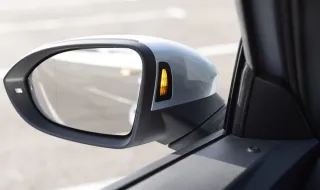
Spotlessly clean windows and mirrors create a false sense of absolute security, but the reality on the road often turns out to be quite different. Even perfect cleanliness cannot compensate for factors such as an improperly positioned seat, tinted windows, blinding glare from the low sun or the headlights of vehicles approaching from behind. The most common and simultaneously underestimated mistake among drivers remains the incorrect adjustment of the side mirrors, which in most cases reflect far too much of the car’s own interior instead of the surrounding road conditions.
Experts believe that even perfectly clean surfaces do not guarantee an unobstructed view. Direct sunlight during the winter months or harsh glare from oncoming traffic can cause serious dazzle. In addition, an uncomfortable driving position can reduce the driver’s field of vision by as much as one-third. To achieve optimal results, preparation should begin with properly adjusting the seat and steering wheel, and only then should the mirrors be set. The left mirror should be adjusted by slightly tilting the head toward the window so that only a small part of the rear fender is just visible at its edge. When the head returns to its normal position, the reflection of the vehicle itself should almost disappear. The same approach applies to the right mirror, with the body turned toward the center of the cabin.
Experts also point out that factors such as dark tint on the rear window severely impair visibility at night and in bad weather. Bulky headrests, large items of luggage and the specific height of the seating position also contribute to the expansion of dangerous blind spots. According to the expert, the correct adjustment of the side mirrors should show only about ten percent of the rear fender, while the remaining area should cover the roadway and adjacent lanes. This minimizes invisible areas and makes it possible to spot overtaking vehicles in good time without unnecessary and dangerous head movements.
At the same time, specialists warn that extremes can also be dangerous. Turning the mirrors too far outward deprives the driver of a valuable visual reference point, distorting the accurate assessment of the distance to vehicles approaching from behind. The most common mistake remains adjusting them so that they duplicate half of the car, creating a huge blind spot to the side where a motorcyclist or compact car can easily remain hidden in dynamic urban traffic. When driving at night or in torrential rain, mechanical adjustment of the mirrors is not necessary, but using the night mode of the central mirror and treating the side windows with special water-repellent products is recommended.