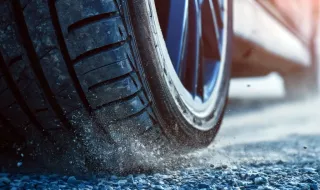
Many drivers are unpleasantly surprised when they have to replace a brand-new set of tires much earlier than expected. This seemingly mysterious problem has a perfectly logical technical explanation related to the type of drivetrain. Industry practice and expert observations clearly show that electric vehicles wear their tires an average of ten to twenty percent more intensively than conventional models equipped with internal combustion engines.
The way a driver operates the pedals is, in fact, the factor that can completely shift these statistics in either direction. With a calm driving style, without sudden starts or unnecessary wheelspin, the difference in tire lifespan between electric vehicles and standard cars becomes almost unnoticeable. The opposite is also true, however—aggressive acceleration turns contact with the asphalt into a real test for the rubber compound.
The architecture of electric cars itself creates conditions for faster tread wear, even when the driver is unaware of it. First comes the massive traction battery, which significantly increases the car's overall weight and changes the distribution of weight between the axles, placing additional load on the contact patch. At the same time, electric motors deliver their full torque from zero revolutions, which, when the accelerator is pressed more dynamically, inevitably leads to micro-slippage and literally grinds away the tread.
An additional and often overlooked reason for the shorter tire lifespan of these vehicles is the regenerative braking system. While a traditional car often coasts freely without placing a load on the running gear, an electric vehicle uses its electric motors to slow down continuously in order to recover energy into the battery. This uninterrupted braking process exerts constant pressure on the tires and accelerates their wear, turning part of the savings on electricity into a hidden expense for new tires.