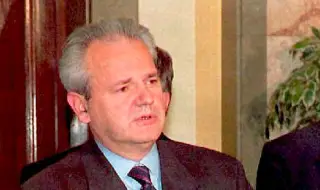
Today marks the 25th anniversary of the fall of Slobodan Milosevic in the former Yugoslavia. On October 5, 2000, mass protests in Belgrade ousted nationalist leader Slobodan Milosevic, who had ruled for more than a decade during bloody wars, heavy sanctions and financial collapse, BNR recalls. The unrest was sparked by the president's refusal to admit his electoral defeat.
After ruling the disintegrating Yugoslavia in the 1990s, Milosevic lost the presidential election in September 2000 to opposition leader Vojislav Kostunica. In a country still recovering from the NATO bombing that drove Serbian forces out of Kosovo at the end of the 1998-99 war, his refusal to accept the result catalyzed the opposition. Backed by unions, students and the pro-democracy opposition, protests quickly spread across the country. Strikes in large coal mines in late September paralyzed the country and set the stage for a march on Belgrade on October 5. Thousands surrounded parliament, demanding that Milosevic step down. Despite tear gas and batons, the crowd broke through the gendarmerie cordons and stormed parliament. Protesters bulldozed the entrance to the pro-government state television station and set it on fire.
As smoke rose from the shattered windows of parliament, more police joined the protesters. Milosevic had clearly lost control of power, and the tension turned to celebration. The next day, he conceded defeat.
Koštunica, backed by the opposition coalition, was sworn in as the new president, and in the following months, Serbia elected its first democratic government, led by Zoran Đinđić, with overwhelming support in the elections.