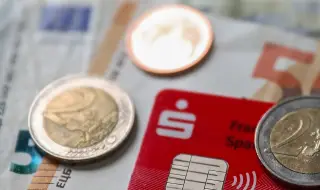
In Sweden, almost no one pays with cash. But the high dependence on the internet also poses risks. The central bank advises people to keep a week's worth of money at home, enough for the most urgent needs.
Whether you buy gum from a vending machine, a traditional cinnamon roll from a bakery or pay a fee to use a public toilet - in Sweden, almost everything is now paid only digitally. Only one in ten purchases is still made with cash.
Most shops in the Scandinavian country only accept cards - this applies even to large retail outlets. It seems practical, but it also has its drawbacks. Because cash is not only disappearing from wallets: bank branches are increasingly less likely to offer cash withdrawals, and the number of ATMs is constantly decreasing.
There are people who have difficulty with digital payments
Björn Eriksson has launched an initiative to preserve cash payments. According to him, a change in thinking is needed: “Cashless payments exclude certain people who face various difficulties - for example, people with physical disabilities or many older people who cannot cope with digital challenges, as well as some of those who live in rural areas without coverage“.
And not only that: possible cyberattacks and power or internet outages are also part of the problem. The Swedish central bank assesses the threat of such factors as very real. And while the financial system's protections are working well for now, in times of geopolitical tension, cash is extremely important.
Tips for keeping cash
“We want to raise awareness that it is wise to have a certain amount of cash at home to stay solvent even in the event of a telecommunications or power outage. We recommend that you keep enough cash at home to cover your food and medicine costs for a week“, says Elin Rytola from the Central Bank of Sweden.
The Swedish Ministry of Defense supports this recommendation because cash is an element of national crisis preparedness. But far from all Swedes follow this advice. An impromptu DW survey on the streets of the Swedish capital Stockholm shows that people do not keep cash at home en masse - not least because it is becoming increasingly difficult to pay in cash. Others, however, have not forgotten the lesson from Spain, where this year there was a severe power outage, which caused huge problems for people and the inability to pay bills.
Banks have no interest in change
The Swedish government is looking for the right solutions. An expert committee, which was established last year, recommends that banks be legally obliged to maintain a cash payment infrastructure. The Central Bank of Sweden has been insisting on the same for years, fighting the reluctance of financial institutions that have no interest in change.
“According to our analyses, the decreasing use of cash has brought financial benefits to banks - in the amount of about three billion Swedish kronor. Therefore, there are good reasons to increase the pressure on banks. For example, we have proposed that there should be a mandatory option to use cash. "The idea is that stores that sell essential goods will be required to accept cash as well," Elin Rittola of the Swedish central bank told DW.
In this way, cash in the Scandinavian country becomes part of the preparation of the population and institutions for crisis situations. The topic remains politically relevant, despite the fact that cash payments in Sweden are almost disappearing.