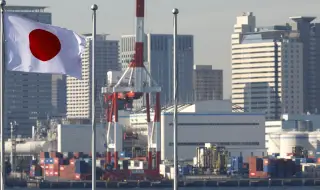
Japan is bracing for possible disruptions in exports to the US after the US Supreme Court blocked the so-called “reciprocal tariffs“ imposed by President Donald Trump, and he subsequently announced a new 10 percent “global rate“, Kyodo reported.
The court ruled that Trump overstepped his presidential authority by using emergency law to impose global tariffs affecting almost all US trading partners. In response, the president signed an order to introduce a new universal tariff of 10 percent.
The Japanese government indicated that reducing tariffs to 10 percent “is not necessarily negative“ but could have a significant impact on exports. Tokyo intends to continue negotiations with Washington to prevent further tariff increases.
As part of a previously drawn up plan, Japan has pledged to invest $550 billion in the United States in exchange for tariff relief on Japanese cars and other goods. The initial investment package includes financing for the production of synthetic diamonds, electricity from natural gas and the construction of a crude oil export terminal.
According to a Japanese government official, a renege on the commitments could lead to a new increase in tariffs against Japan.
The US Supreme Court has overturned the sweeping tariffs imposed by President Donald Trump, ruling by a majority of 6 to 3 that he had exceeded his authority by using a 1977 law intended for emergencies, world agencies reported.
The court upheld a lower court decision in a case brought by affected companies and 12 US states, most of which are run by Democrats. In their reasoning, the judges emphasized that under the Constitution, the power to impose tariffs belongs to Congress. Chief Justice John Roberts stated that the legislature had not transferred taxing powers to the executive branch. Justices Samuel Alito, Clarence Thomas and Brett Kavanaugh dissented, saying the measures were legal.
Tariffs - taxes on imports - were a key tool in Trump's economic and foreign policy during his second term. In April 2025, he announced so-called "reciprocal" tariffs on most countries, citing a national emergency due to trade deficits. Previously, tariffs were also imposed on Canada, China and Mexico in connection with the fight against drug trafficking. The measures triggered a global trade war, shook financial markets and increased uncertainty for businesses.