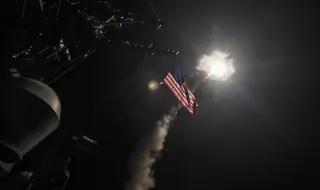
The United States and Iran have been trading intense blows for over a week. The truce has collapsed, and there seems to be no way forward. Can a major escalation be expected?
In addition to a total of 17, and possibly 18, American service members killed in military operations against Iran, more than 430 have been injured. Jordan has been repeatedly targeted in the past week, with at least two other significant attacks carried out there. Iran has also been attacking American bases in Kuwait and Bahrain. "Tonight we dealt them a heavy blow and we did it in honor of the great patriots who died," US President Donald Trump said after attending the World Cup final on Sunday.
US strikes on Iran have been going on for more than a week now, after a ceasefire collapsed, and hopes for lasting peace seem to be in the past. The US has also struck bridges and roads. Donald Trump has threatened to attack power plants. The Iranian president is already talking about a "full-scale war". Is that really what things are heading towards? "The US is preparing for a larger-scale war", an American official familiar with internal debates in the administration told the "Washington Post". According to him, the Pentagon is increasing the number of warplanes in the region. However, he said US operations will be limited by dwindling supplies and the obstacles to quickly deploying additional troops and aircraft to the region due to the damage.
Is deploying US troops to Iran back on the table?
“This is the moment when both sides need to wake up,” Elie Geranmayer, an Iran expert at the European Council on Foreign Relations, told the American daily “New York Times”. According to her, both the US and Iran must either seize the opportunity for a diplomatic solution now or risk the war going beyond the limits of controllable escalations.
At the moment, neither side has any interest in the war escalating. That is why both Tehran and Washington are looking for ways to hurt their adversary and push him against the wall. Iran's decision to attack American bases in neighboring countries is an attempt by the Islamic Republic to demonstrate that it can still defend itself and thus maintain its negotiating position, writes the “New York Times”. At the same time, these bold actions risk provoking a serious response from the United States. However, Trump is currently counting on asymmetric attacks against Iran. According to expert Geranmaye, only the deployment of troops in the Islamic Republic can significantly change the balance of power. However, if there were concerns about such a decision months ago, now they are even more so - American soldiers will have to deal with extreme heat, and the Iranian military has been preparing for such a development for months.
Although analysts say the danger of escalation is growing, neither side can really afford it - neither economically nor politically domestically, writes the “New York Times”. If Donald Trump decides to resort to such a thing, it will definitely be after the midterm elections in the fall, the American newspaper notes.
Trump's domestic political problems remain
The failure of the ceasefire and the resumption of hostilities have ignited a debate in Washington about the authority to wage war, just as the administration is seeking tens of billions of dollars to finance the conflict.
This puts Republicans in the worst possible political scenario months before the midterm elections, where preserving their majority is at stake, writes the “New York Times”. Now the Republican Party is being asked to vote to fund an unpopular war over which they have had no significant control and which they have never approved by vote.