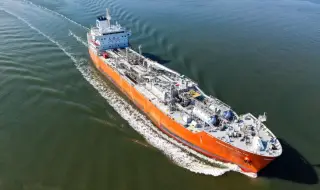
Saudi Arabia and Kuwait have condemned attacks on two ships belonging to the UAE state oil company ADNOC in the Strait of Hormuz. The incidents have heightened concerns about the security of shipping through the strategic maritime corridor through which a significant part of the world's oil and liquefied natural gas trade passes.
The two vessels were attacked on August 13 while they were passing through the Strait of Hormuz. ADNOC confirmed the incidents and said the situation was under control and no crew members were injured.
The UAE has blamed Iran for the attacks. The Ministry of Foreign Affairs in Abu Dhabi described the attacks as acts of piracy and said they posed a threat to freedom of navigation, regional stability and global energy security. At the time of the initial reports, Tehran had not provided an official response to the accusations.
The Saudi Foreign Ministry described the attacks as a dangerous escalation that threatens the security of maritime transport and the freedom of navigation through international waterways.
Riyadh expressed solidarity with the United Arab Emirates and stressed the need to protect trade routes in the region.
Kuwait also condemned previous attacks on UAE-linked vessels in the strait, describing such actions as a violation of international law and a threat to the safety of maritime navigation and global energy supplies.
The Gulf states' reactions come against the backdrop of a series of incidents around Hormuz. Just a day after the attacks on the two ships, ADNOC reported another of its vessels had been attacked, again without injuries. This was the third such incident involving the company's ships in about a week.
ADNOC says that despite the deteriorating security environment, it continues to fulfill its commitments to customers. The company is one of the largest producers and exporters of crude oil and natural gas in the world and the events around Hormuz have a direct impact on its logistics.
The series of attacks shows that the security of energy supplies in the Persian Gulf remains one of the most serious geopolitical and economic risks in 2026. And the reactions of Saudi Arabia, Kuwait and other countries in the region highlight concerns that a new escalation could affect not only oil producers but also global trade.