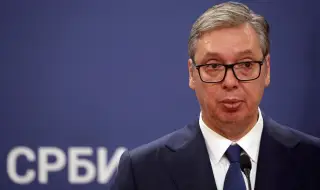
Serbia will hold early parliamentary elections on October 18 or 25, President Aleksandar Vucic said, quoted by Reuters. The exact date will be determined in the coming days, BTA reports.
The country's parliamentary elections were originally scheduled for December 2027. The decision to call an early vote comes more than a month after Vucic promised to schedule elections during a rally of his party.
„The parliamentary elections will be held on October 18 or 25. The exact date will be announced in the coming days," the Serbian president said.
According to him, the elections will pit two main political options - the lists of the Serbian Progressive Party and all other political forces.
The decision to hold the early vote comes after more than a year of mass anti-government and anti-corruption protests, led mainly by students. The demonstrations began after the collapse of a canopy at the Novi Sad railway station in November 2024, which killed 16 people.
On June 27, Vučić said he intended to resign within a few weeks and that Serbia could hold early parliamentary and presidential elections. However, he did not specify when he would step down from the presidency in order to trigger the process for an early presidential vote.
Analysts suggest that if the Serbian Progressive Party wins, Vucic could return to the prime minister's post. Such a scenario would preserve his political influence, regardless of the position he holds.
Vucic has been at the forefront of Serbian politics as president or prime minister for 12 years. His rule has been accompanied by accusations from the opposition of corruption, pressure on political opponents and restrictions on media freedom. Vucic and his allies reject the accusations.
Serbia is a candidate for membership in the European Union, but continues to maintain close relations with Russia and China. Brussels is urging Belgrade to improve the rule of law, ensure free and fair elections and step up the fight against corruption and organised crime.
The EU also expects Serbia to gradually align its foreign policy with that of the bloc, including on relations with Russia.