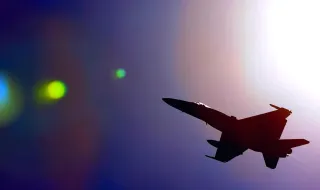
The Ukrainian F-16 fighter fleet is facing both a shortage of air-to-air missiles and a growing need for maintenance. The military portal TWZ defines the situation as a risk of a crisis in combat readiness, as the high flight rate depletes ammunition supplies and accelerates aircraft wear.
The main issue is the AIM-9 Sidewinder and AIM-120 AMRAAM missiles. Due to insufficient supplies, Ukrainian pilots have to save shots and rely more often on the F-16's built-in 20-mm cannons. The planes are an important part of Ukraine's air defense, including in intercepting Russian cruise missiles and jet drones.
“Only the Americans can deliver them, and they are not ready to do so at the moment, at least not for free. Even if the Europeans try to buy them, it will take months before a few missiles reach Ukraine“, says military expert Julian Roepke of United Unmanned Systems, quoted by UNIAN. According to him, the same problem affects interceptor missiles for the Patriot systems.
Maintenance becomes a second constraint
Each flight increases the number of accumulated flight hours and shortens the intervals between scheduled inspections. As the load increases, more thorough inspections, more spare parts, engines and specialists are needed. The missile shortage is thus combined with pressure on the repair and maintenance network.
The scale of the task is evident from the contract that the Pentagon signed in January with the Belgian company Sabena Aerospace Engineering. The agreement is worth about $235.5 million and covers the maintenance of Ukrainian F-16 aircraft and their engines. About $69.7 million was initially allocated, and the contract is in force until January 2029.
An additional problem is that AMRAAM missiles are used not only by fighters, but also by NASAMS anti-aircraft complexes. This means that the same Western production and logistics chain must support both aviation and part of the ground-based air defense. Stocks have also been depleted by the ongoing fighting in Ukraine and the Middle East.
New aircraft, but new requirements
Belgium plans to deliver three more F-16s to Ukraine by the end of the year. This will increase the potential size of the fleet, but at the same time increase the need for repair facilities, spare parts, engines and trained technicians.
Short-term alternatives are limited. Ukraine continues to operate MiG-29s and a small number of Su-27s, which are older but can be serviced by Ukrainian infrastructure. The French Mirage 2000-5F is also in limited supply and cannot quickly compensate for the unavailable F-16s.
The longer-term plan envisages that Ukraine will receive 16 Gripen C/D fighters from Sweden in early 2027. A separate agreement envisages the purchase of another 16 new Gripen Es, deliveries of which are due to begin in early 2029. Until then, however, the F-16s remain Ukraine's main Western combat aviation capability, making their maintenance and the provision of sufficient missiles critical for air defense.
Sources: UNIAN, TWZ