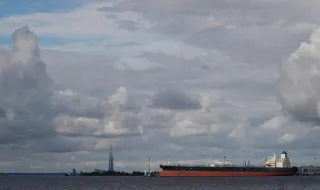
Oil exports from Persian Gulf countries exceeded pre-conflict levels in the first half of September, Reuters reported, citing shipping data.
As of September 30, the seven-day average of crude oil exports from the region was 18.3 million barrels per day. Export volumes exceeded pre-conflict levels for 14 days during the month. This figure includes shipments from Gulf states through the Strait of Hormuz and the Red Sea, as well as exports from terminals and ship-to-ship oil transfers in the Gulf of Oman.
Data from Kpler shows that export volumes already reached or exceeded pre-conflict levels for several days in June and July - after a memorandum of understanding between Washington and Tehran was signed, which later expired.
In the 12 months before the outbreak of the US-Iran conflict, the average volume of crude oil exports from the region was approximately 18 million barrels per day.
The recent increase in exports is due to increased shipments from Saudi Arabia, carried out from both Red Sea and Persian Gulf ports. The increase came three weeks after the attack on the "East-West" oil pipeline.
Achieving this level required the use of a larger number of supertankers to transport oil through the Strait of Hormuz. Experts say the capacity for transferring oil from ship to ship in the Gulf of Oman has already reached its limit. The Iraqi state-owned tanker company and some refineries have chartered tankers to load Basra crude directly into the strait after Baghdad received permission from Iran in August to allow Iraqi oil tankers to pass through the Strait of Hormuz.
Vortexa also reported the resumption of oil supplies from Gulf states. The company said the 14-day average of Middle Eastern crude and condensate exports reached 18.6 million barrels per day, exceeding the seasonal average of the past 10 years and returning to pre-conflict levels.
"Much of the monthly growth reported in September was due to Saudi Arabia increasing its exports to gain market share from other countries in the Middle East," said market analyst Xavier Tan. He noted that increased supplies from the region would help alleviate the oil market deficit, especially for Asian refiners.
At the same time, as Reuters points out, attacks on tankers and logistical constraints are questioning the prospects for maintaining high export volumes.
According to the maritime risk management company Marisks, vessels passing through the Strait of Hormuz face an "increased and increasingly unpredictable kinetic threat" due to the sharp increase in traffic intensity.
Source: news.bg