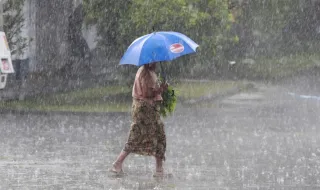
The 2026/2027 winter in Europe could be warmer than usual, with snowfall in much of the continent less frequent. The chances of snow cover are greatest in Northern Europe and the high mountain regions of the Alps, while in the lower parts more frequent periods of rain instead of snow are expected.
Preliminary seasonal forecasts cited by Libertatea do not rule out short but sharp cold snaps. According to forecast models, atmospheric circulation may be influenced by a very strong El Niño and a possible weakening of the polar vortex at the end of December.
A warmer December with Atlantic air
In December 2026, temperatures are likely to be above climate norms in a significant part of Europe. Westerly winds can carry warmer and more humid air from the Atlantic Ocean, which would limit prolonged periods of winter conditions.
This does not mean a complete absence of cold. Changes in atmospheric circulation may temporarily reverse the trend and lead to an invasion of cold air, including to Central and Southeastern Europe.
January and February remain uncertain
Expectations for January are for the preservation of relatively mild weather. However, Atlantic cyclones may periodically bring precipitation and colder air. Thus, the general trend towards higher temperatures may be interrupted by short winter episodes.
In February, temperatures in northern Europe may approach the usual ones for the season, while for the southern parts of the continent the forecasts continue to indicate warmer weather. The location of cyclones and anticyclones will be crucial for the specific cold snaps and snowfalls.
The British Meteorological Service warns that
„El Niño is just one of several climate factors that influence the weather in Europe“. The service said the phenomenon could increase the likelihood of milder, wetter and windier weather at the start of winter, but its impact on Europe is indirect and depends on the rest of the atmospheric circulation.
The European Centre for Medium-Range Weather Forecasts points out that seasonal models provide probabilities of deviations from climate norms, not precise forecasts for individual days. Therefore, the preliminary picture may change as winter approaches.