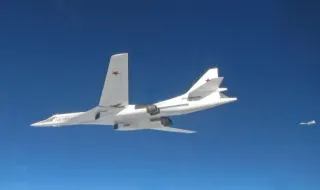
Russia may have received a total of 32 Kh-BD long-range cruise missiles, also known as “Item 506“, according to an analysis by the UK's Royal Institute for Defence and Security Studies (RUSI). The missile has a stated range of 6,500 km and is intended for the Tu-95MS and Tu-160M strategic bombers.
In his analysis, Siddharth Kaushal points out that the Kh-BD “has the potential to once again turn the Russian bomber fleet into a credible intercontinental threat“. According to him, the greater range can compensate for the limitations of older aircraft and the lack of significant progress on the project for the new PAK DA bomber.
Planned deliveries for 32 missiles
The public information about the quantities comes from leaked Russian documents published by the Ukrainian publication “Militarny“ in the fall of 2025. They state that the Russian strategic aviation should receive 16 missiles in 2024 and another 16 in 2026. The indicated price is $4.5 million each.
If the two deliveries are completed as planned, Russia would have a total of 32 Kh-BD missiles under these orders. However, there has been no public confirmation of the actual receipt of all the missiles.
The existence of the Kh-BD became known in the fall of 2023, when it was announced that modernized Tu-160s would be carriers of the new weapon. It was also stated at that time that the missile would differ from the Kh-101 in its dimensions.
Possible strike from the Russian Far North
RUSI points to Alexandra Land Island in the Arctic as a possible launch area. From there, the bombers could operate under the cover of Russian air defense in the northern regions, while shortening the route to the launch positions.
According to the analysis, the missile could bypass part of future American missile defense systems. The low altitude and routes over the northern regions may make it difficult to detect, but this advantage is limited by the ability of the United States to track the preparations of Russian bombers.
It is this dependence that creates vulnerability for the bases “Engels“ and “Olenya“. The preparation of the aircraft for a nuclear mission, including the placement of warheads, could be noticed in advance and lead to the risk of a preemptive strike in the event of a severe nuclear escalation.
Ukraine or strategic reserve
Analysts consider two main scenarios for the future use of the Kh-BD. Russia may try to use the missile in strikes against Ukraine to test its capabilities in a real combat situation. The other option is to keep the missiles as a strategic reserve for a possible direct confrontation between Russia and NATO.
There is no publicly confirmed decision by the Russian authorities on this issue. Data on the quantities and purpose of the missiles are based on RUSI analysis and leaked documents, the execution of which has not been independently confirmed.
Sources: news.bg, en.defence-ua.com