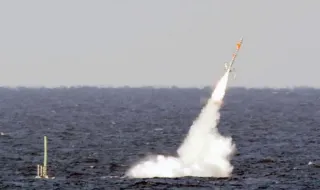
The US military has spent more than $47 billion on the war with Iran, Pentagon data provided to Reuters shows. The new estimate is more than 25% higher than the Defense Department's estimate from July, when the expected cost of the conflict was $37.5 billion.
The Pentagon has not officially released the new figure and did not immediately respond to a request for comment. The figures cover operational costs of military operations, including air and cyber support, as well as funds to replace used or lost resources.
Ammunition is the largest expense
More than $29 billion is needed to replenish stocks of spent ammunition. Another more than $6 billion is earmarked to replace destroyed military equipment and lost platforms, including aircraft and a large number of drones.
It is not clear whether the estimate includes the cost of repairing US bases damaged by Iranian missile and drone attacks. This means that the final cost of the conflict could be higher than the stated $47 billion.
The conflict is lasting longer than expected
President Donald Trump launched the war against Iran in February, jointly with Israel, and initially predicted that it would be short. The American strategy initially called for the use of expensive high-precision missiles to destroy Iranian defense systems.
Later, American forces switched to cheaper and more widely available munitions, including unguided aerial bombs. However, the ceasefire in April allowed Iran to clear underground storage facilities and restore some of its defense systems, missiles and drones that had been inaccessible until then.
After the cessation of active hostilities, Trump imposed a naval blockade of Iran in order to limit its oil export revenues. US officials say the Pentagon is preparing to resume large-scale military action if it receives such an order.
Costs are becoming a political issue
The new assessment was announced ahead of the US midterm elections on November 3, which will determine control of Congress for the next two years. Republicans have a slim majority in the House of Representatives and the Senate.
According to Reuters, the impact of the war on global energy prices has weakened support for Republican candidates and negatively affected President Donald Trump's approval rating. Thus, the financial cost of the conflict is added to the economic and political pressure on the US administration.
Sources: bta.bg, malaysia.news.yahoo.com