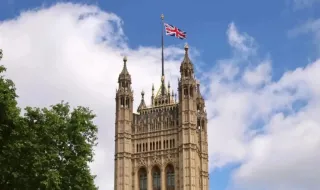
UK Chancellor of the Exchequer John Healy's first budget has drawn criticism over new taxes, a weak growth forecast and an expected fall in living standards. The plan, presented on 28 October, aims to raise tax revenue by £7bn a year, while the economy is expected to grow by just 1% in 2027.
The Office for Budget Responsibility has warned that real disposable income per person in a household will be £420 lower than two years ago. The forecast says the economy will not return to its previous levels until April 2029. David Miles, the head of the think tank, described the outlook for living standards as “quite bleak.”
Help with bills and new tax burdens
The government will pay £100 to around 20 million households in England in tax brackets A to D. The payments will start in January 2027 and are designed to cushion the expected rise in energy prices.
A 6p per litre increase in fuel duty has been postponed until July 2027. Import duties on more than 100 food products, including beans, chocolate and pickles, are also being removed. The government estimates that this measure could cut the average family’s annual spending by up to £21. The small size of some of the relief, however, has led the opposition to call the plan a “pickle budget“.
In addition, taxes on savings and property income are increasing, as well as bank levies. The freeze on tax brackets is maintained, which gradually pushes more workers into higher tax brackets. Welfare spending will rise by another £5 billion a year.
Opposition: “Not up to the mark“
Conservative Party leader Kemmy Badenoch described the budget as insufficiently bold and said the government had left key questions about spending and the welfare system unanswered.
“Most people listening to this budget will say: Is this it? Is that really all there is to it?“, Badenoch said.She accused Prime Minister Andy Burnham's office of increasing taxes, borrowing and aid spending without specifying how it would finance a pledge to raise defense spending to 3% of gross domestic product by the end of the decade. Badenoch also said the budget “does not come close to meeting the moment“.
Criticism also came from business and unions. The chief executive of the Confederation of British Industry, Raine Newton-Smith, said there was a lack of bold solutions to make it easier for companies to invest, hire and grow.
Warnings of uncertainty
Economist Paul Johnson, former head of the Institute for Fiscal Studies, said the budget did not provide the necessary predictability.
“The numbers are there because the numbers are made up. If business and the country need certainty and stability to grow, this budget does not provide them,“ said Johnson.The Resolution Foundation described the outlook for living standards as “difficult“. The group said energy aid was spread too thinly, while bigger decisions on taxes and spending were postponed until next year.
Healey defended the plan as a “working people’s budget” and said the measures would give households the space they needed to deal with the spending crisis. The government also tabled and abandoned an earlier idea to cap tax-free savings in cash individual savings accounts.
Sources: dailymail.com, apnews.com, theguardian.com