The European Union's pressure to end citizenship-by-investment programs threatens a major source of revenue for several Caribbean countries. Antigua and Barbuda, Dominica, Grenada, St. Kitts and Nevis and St. Lucia must agree by November 12 to close their schemes by June 1, 2028, Reuters reported.
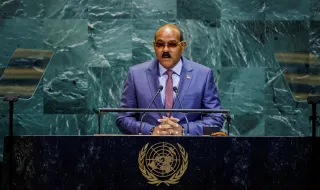
Antigua and Barbuda's Prime Minister Gaston Brown said in October that the country "very likely" would commit to phasing out the program. The decision would affect a model in which foreigners receive citizenship and a passport in exchange for a contribution to a state fund or an investment in an approved project. The minimum amount starts at $200,000.
The European Union has cited the risk of people with limited ties to a country being granted citizenship and subsequent visa-free access to the Schengen area as a major concern. According to the EU's revised visa waiver mechanism, the mere existence of a citizenship-by-investment program could be grounds for initiating a procedure, but losing visa-free access does not automatically occur.
Millions of dollars for budgets
For Caribbean governments, the stakes are financial. According to data cited by Reuters from a 2025 International Monetary Fund document, in 2023, revenues from these programs were equal to about a fifth of the total gross domestic product of the Eastern Caribbean Monetary Union, which unites eight economies.
The fund also estimated that direct investment in projects related to the sale of passports reached between 100% and 170% of officially reported foreign direct investment in the five countries that maintain such schemes.
In Antigua and Barbuda, the government collected about $58 million from the program in 2025, and $44.4 million is budgeted for 2026. This equates to approximately 7-11% of the country's current revenues.
„An existential fiscal question“That's how the possible suspension of the programs in St. Kitts and Nevis and Dominica was described by K. Justin Robinson, director of the University of the West Indies' Five Islands campus. In those countries, he said, revenues from the schemes have sometimes exceeded 10% of GDP.
For Antigua and Barbuda, Robinson estimates that ending the program would wipe out more than half of the expected primary budget surplus for the year. Analysts say this could force hotels and construction projects financed by passport sales to seek new capital, postpone operations or be abandoned.
Decision pending
Visa-free travel to Europe is among the main arguments for buying a Caribbean passport. Applicants are usually not required to live in the region, and include citizens of China, Russia and Middle Eastern countries that normally require visas for EU travel. Demand from US citizens has also increased since 2020, according to Christine Surak of the London School of Economics.
There is already a precedent. The EU revoked Vanuatu’s visa-free access in 2024 over concerns about its citizenship-by-investment program. The five Eastern Caribbean countries must now choose between maintaining the schemes and risking losing access to Schengen, or accepting a transition to their complete closure by June 2028.
Sources: new.streetinsider.com, internazionale.it, washingtonpost.com