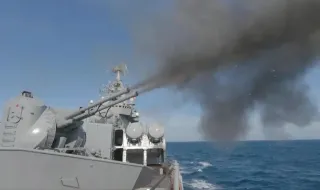
The RAF has used the Protector RG Mk1 drone for the first time to monitor a Russian warship off the British coast. The drone has been flying over the English Channel for the past month and has provided over 10 hours of reconnaissance and surveillance coverage, while a Royal Navy ship and helicopters have been monitoring the Russian vessel.
The Protector has been working in conjunction with the Royal Navy as part of the surveillance of activity around the UK. The first of 16 such remotely operated vehicles arrived at RAF Waddington in September.
Surveillance around British waters increases
The British Ministry of Defense said that the Royal Navy's activity in monitoring Russian ships increased by 25% in the first seven months of 2026 compared to the same period last year.
Russian vessels have also been observed operating around critical British underwater infrastructure. In response, London plans to invest an additional £330 million over four years in seabed surveillance, maritime intelligence and the development of anti-submarine capabilities.
A senior British military commander has warned that a ship off the country's coast could use remotely operated vehicles to attack infrastructure. According to him, such a threat could be realized in minutes, making early warning key to the response of British forces.
„We need more planes in the air and ships at sea. "It doesn't matter how small the ships are, they need to be watching the vessels," the commander said.Expert: Early warning system needed
Tim Ripley, senior analyst at Defence Eye, said the British military had the means to counter small drones but needed to receive early information about a possible attack.
“This could only be done with more air and sea patrols to monitor ships off the coast, including vessels that can switch off their automatic identification system to avoid being tracked,” Ripley said.
He said Britain needed a plan to identify suspicious ships and quickly deploy air and ground assets to counter them. Among the British capabilities listed are Wildcat helicopters armed with machine guns and laser-guided missiles.
Defence Secretary Wes Streeting described Protector's first operational mission in this role as a demonstration of the change in the way the UK monitors and deters threats.
“For the first time, Protector has joined Royal Navy ships and helicopters monitoring activity off our coasts. It shows how we are constantly developing our capabilities to monitor and deter threats and reckless provocations,“ Streeting said.
Sources: dailymail.com