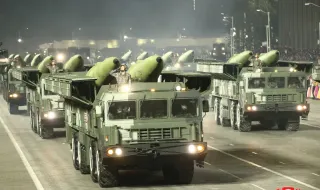
North Korea has conducted a test of a cluster warhead for a strategic cruise missile, state-run KCNA news agency reported. The test was carried out on Monday, November 2, under the supervision of General Kim Jong-sik, a member of the Central Military Commission of the ruling Workers’ Party of Korea.
According to North Korea’s missile administration, the warhead can strike an area of 5 to 6 hectares with “the highest power density.” Pyongyang also claims to have tested the missile’s vertical strike capability by improving its maneuverability during the final phase of flight.
“The need to develop various weapons systems is more urgent than ever,” the head of the missile administration said, according to KCNA. He said the test had demonstrated “practical combat power.”
Second test in several days
The new test comes just two days after North Korea reported testing a cluster warhead for a tactical ballistic missile. On October 31, Pyongyang said the munition could strike an area of 12 to 13 hectares.
North Korean authorities then announced that they were developing four types of cluster warheads according to their intended use and planned to provide them to military units by the end of 2026. South Korea’s armed forces said they had monitored the activity related to the test together with the United States. Cluster munitions disperse numerous smaller submunitions over a wide area.
Seoul seeks new cybersecurity structure
At a Cabinet meeting, South Korean President Lee Jae-myung called for discussions on creating a government-wide body that would combine cybersecurity functions in the public and private sectors.
“The existing security system, focused on checks and response after incidents, has clear limitations,” Lee said, according to Reuters. He called for a system that would detect signs of attacks in advance, refer them to the competent agencies and coordinate the response.
The president called for special attention to public services and critical infrastructure in the information technology, energy and finance sectors. He also pointed to the large-scale cyberattack against the cryptocurrency exchange Binance, in which assets worth billions of dollars were stolen. The U.S. Federal Bureau of Investigation blamed North Korea for the attack, while Pyongyang denied involvement.
Lee ordered a study into the creation of a strong and effective body, provisionally referred to as a “cyber czar,” to coordinate the fragmented responsibilities. So far, no final decision or timetable for its establishment has been announced.
Sources: en.yna.co.kr, new.streetinsider.com