Renewed Ukrainian strikes on Russian oil refineries are complicating Moscow’s efforts to contain the domestic fuel shortage, while Russia is simultaneously resuming diesel exports to international markets under an agreement with US President Donald Trump, Reuters reported.
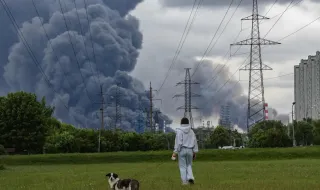
The refinery in Ryazan, one of the largest in the country, was likely attacked during a massive drone assault on industrial facilities in the city, southeast of Moscow. Reuters geolocated the video footage by matching landmarks, road infrastructure and satellite images, but was unable to independently verify when the footage was recorded. If the strike is confirmed, it will be the second Russian refinery hit this week.
Earlier, during the night of November 3, the plant in Yaroslavl, northeast of Moscow, was attacked. The local governor said the strike caused a fire at the refinery. In the attack on Ryazan, Governor Pavel Malkov said that more than 200 drones had been directed at the region, one person had been injured, and debris had sparked fires at industrial facilities. Electricity supplies in the city were later restored, while the fires were contained or extinguished.
Moscow restricted exports but is sending diesel abroad again
Ukrainian strikes this year knocked out significant refining capacity in western Russia and led to shortages of gasoline and diesel. In response, Moscow imposed restrictions on exports of gasoline, diesel and jet fuel, which began as early as April. Part of the ban on diesel exports has already been lifted.
On October 9, Trump said that Russia had agreed to immediately supply more than 300,000 tonnes of diesel to the US and global markets. According to him, this was to be followed by another 3 million tonnes, as well as 500,000 tonnes in November and a further 1 million tonnes immediately afterward. The deal was announced at a time when the US administration was seeking to curb the rise in diesel prices ahead of the US midterm elections.
Data from Kpler and LSEG show that at least six Russian diesel shipments had declared transatlantic voyages. Two of them, however, changed course after initially being bound for the US Atlantic coast. No Russian shipment has arrived in the United States since the deal was announced. The first monitored shipment to New York is expected over the weekend, but its unloading could be blocked by regulatory, legislative and sanctions-related restrictions.
“These are commercial loadings, and naturally the details cannot be made public. All the diesel will find buyers,” Kremlin spokesman Dmitry Peskov said.Attacks halted the recovery in production
Russian refineries increased crude oil processing by about 25 percent in the second half of October compared with the beginning of the month, after the attacks temporarily ceased. Diesel production rose by at least 50,000 tonnes per day to around 225,000 tonnes per day, with approximately 80,000 tonnes per day potentially available for export.
This trend could be interrupted by the new series of strikes. Russia’s six leading diesel refineries account for about half of the fuel’s production. According to data cited by Reuters, during the first eight months of 2026 a Russian refinery was successfully hit, on average, once every three days. Ukraine considers the refineries legitimate military targets, while Moscow is forced to balance domestic supplies against its export commitments.
Sources: ca.marketscreener.com, investing.com