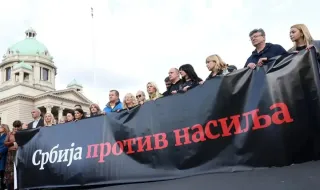
Serbia’s new parliament will hold its first session on November 17 at 10:00 a.m. The date was scheduled by National Assembly Speaker Ana Brnabić after the election administration announced the final results of the snap vote.
The Student List won 140 of the 250 parliamentary seats. The “Aleksandar Vučić – United Serbia” list, led by the Serbian Progressive Party, won 103 mandates. The remaining seats have been distributed among formations representing national minorities. The figures are from the final protocol of the Republic Electoral Commission, adopted on November 5.
Parliament to Begin Work by Electing Its Leadership
The session will begin with the confirmation of the mandates of the newly elected deputies. The National Assembly must then elect a speaker and deputy speakers, a secretary-general, the members of the standing committees and its representatives to international parliamentary delegations.
Until a new speaker is elected, the session will be chaired by the oldest deputy, Professor Stojan Radenović. The new legislature will be Serbia’s 15th parliament.
Once the National Assembly is constituted, the procedure for forming a government will begin. A new cabinet must be proposed and elected within 90 days. The Student List has an outright majority, but it has not yet announced its final leadership or a detailed plan for the composition of the future government, Euronews Serbia reports.
Brussels Expects Reforms from the Future Government
On November 2, European Commissioner for Enlargement Marta Kos met in Brussels with four representatives of the Student List. The meeting was the formation’s first contact with a senior European Union official since its election victory.
“The new Serbian government has an opportunity to turn a new page and take the necessary steps to advance on the path toward membership in the European Union,” Marta Kos said.Two days later, the European Commission presented its annual enlargement package, assessing the progress of the candidate countries. Regarding Serbia, the document states that the country has made no substantial progress in its membership negotiations. It notes negative trends related to the fundamental criteria for accession, as well as a low level of alignment with the EU’s common foreign and security policy.
The European Commission states that Serbia’s progress will depend on the new government’s efforts to strengthen democratic institutions, the judicial system and fundamental rights. Key tasks include the fight against corruption, the restoration of political dialogue and the implementation of commitments under the Belgrade–Pristina dialogue.
Sources: apnews.com, slobodnaevropa.org, euronews.rs