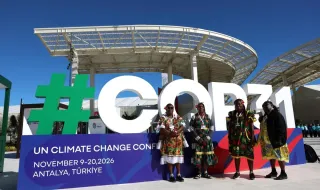
The COP31 climate conference began in Antalya, where representatives of nearly 200 countries are discussing how pledges to limit global warming can be turned into real policies. The forum is taking place from November 9 to 20 against a backdrop of record temperatures, deadly heatwaves, floods and deepening energy instability.
COP31 is the 31st Conference of the Parties to the United Nations Framework Convention on Climate Change. Turkey is hosting and chairing the forum, while Australia is leading the negotiations through Climate Change and Energy Minister Chris Bowen. The joint organization is unprecedented for UN climate conferences and is the result of a compromise between the two countries following a dispute over the hosting arrangements.
Leaders Discuss Clean Energy and Financing
On November 11 and 12, the meeting of heads of state and government is being held in Antalya. The opening is being led by Turkish President Recep Tayyip Erdoğan, while UN Secretary-General António Guterres is among the main speakers. The agenda includes talks on the clean energy transition, electrification, investment, adaptation and the resilience of cities.
According to him, countries must take more action—and do so immediately. Participants also face financial questions, including how wealthier countries can support vulnerable states that are most severely affected by climate change.
First Initiatives Already Presented
Brazil presented a roadmap for transitioning from fossil fuels to renewable energy sources. The document is part of the country's efforts to carry forward the agenda of last year's COP30 conference and propose practical plans instead of more broad promises. Brazil is also preparing initiatives related to deforestation and climate financing.
On the second day of the forum, a global declaration on rooftop solar energy was also presented. Australia, Bangladesh, Kenya, Nigeria and Vanuatu joined the initiative, which emphasizes the wider use of solar panels on residential and public buildings.
What Comes Next
Negotiations continue until November 20. Countries are expected to discuss new commitments to reduce emissions, support adaptation and improve access to financing. The outcome of COP31 will show whether political promises can be turned into concrete solutions for energy, transport, industry and the protection of affected communities.
Sources: apnews.com, lemonde.fr