Smoke from smoldering rice stubble rises near Lahore as a new rapid-response unit arrives at the field. The team brings the fire under control within minutes – part of the Pakistani authorities’ campaign against the burning of crop residues, which they say contributes to seasonal smog.
Authorities in Punjab province have established 67 mobile teams with a total of 750 personnel. They are expected to reach a reported incident within 10–15 minutes, patrol rice-growing areas and respond to reports from local residents. „We receive complaints through various channels and respond as quickly as possible,“ says Ashfaq Hussain, deputy director of the unit.
In just 24 hours this week, reports were filed of 679 fires in agricultural areas across Punjab. According to local authorities, 650 of them were extinguished. The unit has been presented as Pakistan’s first specialized structure created to combat air pollution.
Fines and Subsidized Machinery
Burning residues after the rice harvest is a widespread practice because it is a cheaper and faster way to prepare fields for the next crop. The penalty for offenders is a fine of 15,000 Pakistani rupees – around $54 – per acre. Failure to pay may lead to prosecution and imprisonment for up to six months.
The government is also offering incentives. More than 10,000 subsidized stubble-management machines have been distributed, with the state covering 60% of the cost and farmers paying the remaining 40%. The machines allow the residues to be processed and the next crop to be sown without burning the fields.
According to farmers quoted by Reuters, some have already abandoned the practice of burning, but it continues to be used because it is considered the most affordable way to clear fields quickly.
Smog Remains a Health Problem
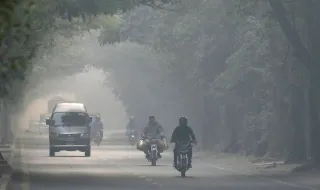
Lahore is once again shrouded in smog, a mixture of smoke from agricultural fires, industrial emissions, vehicle exhaust and construction dust. Cold winter air traps pollutants close to the ground and can lead to dangerously high concentrations.
The Swiss platform IQAir rated the city’s air quality as „very unhealthy“. Healthcare facilities in Lahore have reported an increase in patients with breathing- and eye-related complaints. Abdullah Naiyar, an official from the environmental protection department, said that according to health authorities’ data, hospitalizations for throat conditions linked to smog stood at 69% of the level recorded in October 2025.
Pakistan and India have for years accused each other of contributing to pollution in the border region. Punjab says it has raised the issue with Indian representatives at international forums. India’s Foreign Ministry did not respond to a request for comment from Reuters.
Satellite observations show a smaller area of recorded fires in India and Pakistan compared with the historical average for this period, but Lahore residents still do not feel any significant improvement. The fight against smog continues through a combination of prosecuting violations and subsidizing alternatives to burning.
Sources: reuters.com, brecorder.com, arabnews.pk