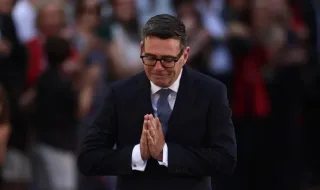
The Conservative Party “burned all its bridges” with the European Union after the Brexit referendum, British Prime Minister Andy Burnham said ahead of the UK-EU summit in Brussels. According to him, the country “lost more than it gained” in the decade since the vote to leave the bloc.
“I think the Conservative Party gave Britain a harder and tougher Brexit than people thought they were getting when they voted in 2016, because after that it burned all its bridges with the EU,” Burnham said at a Labour Party conference in Wales. He described the current Brexit agreement as not good enough for the country.
Deals on food, emissions and youth mobility
The summit will take place on November 20 in Brussels. Burnham will hold talks with European Council President António Costa and European Commission President Ursula von der Leyen. The British government said the aim is to agree practical steps to reduce the administrative burden on farmers, food producers and businesses.
The topics under discussion include trade in food and beverages, the emissions trading scheme and a youth mobility agreement. Burnham claims that an agreement on food and agriculture could reduce checks and costs for exporters, as well as put downward pressure on prices. According to his estimates, the package could add up to 0.4 percent to the UK’s gross domestic product.
Speaking to “The Guardian”, the prime minister said that a “deal in which both sides benefit” was possible, but warned that difficult negotiations lay ahead of the meeting. The newspaper reported that the issue of fees for European students remains an obstacle to some of the agreements.
London keeps its main restrictions
Burnham insists that closer ties with the EU will not mean an automatic return to the customs union, the single market or the free movement of people. These options are ruled out by the Labour Party’s existing political commitments, although the prime minister has already said that different options for the long-term relationship could be discussed after future negotiations.
After the summit, the government intends to present the next steps for relations with the EU. Topics for future cooperation include migration, the fight against crime, visas for artists and the mutual recognition of professional qualifications.
Conservative Party deputy leader Alex Burgart rejected the prime minister’s approach. He accused Burnham of reopening a dispute that, in the Conservatives’ view, was settled by the referendum, and of using relations with Brussels to divert attention from rising social spending and questions surrounding defence funding.
The meeting in Brussels will be the second summit between the United Kingdom and the EU since the start of the new course towards closer cooperation. The talks are expected to determine not only specific deals for businesses and consumers, but also the framework for the next stage of relations between the country and the European bloc.
Sources: nation.cymru, theguardian.com, apnews.com