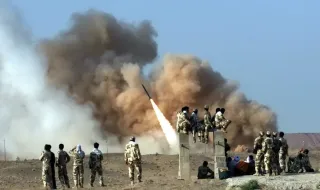
Two Iranian drone attacks against US facilities in Bahrain have revived fears of an expansion of the conflict between Tehran and Washington after months of relative calm. Iran’s Revolutionary Guard said that on November 15 it had directed six drones at a US radar system at the Riffa base. Bahrain said its air defenses had intercepted the attacks, while the US military said it had shot down two drones with no casualties or damage.
The previous similar incident occurred on November 13. At the time, the US Central Command reported that two Iranian drones had been directed toward Bahrain. In this case as well, Tehran claimed to have struck US military equipment, but Washington denied that any damage had been caused.
Media see a new cycle of retaliatory strikes
“The Guardian” described the attacks as a sign that the risk of escalation is increasing and that hopes for a diplomatic breakthrough are fading. The British publication links Iran’s actions to the limited US strikes on Iranian targets in recent weeks, including on Qeshm Island in the Strait of Hormuz.
According to “The Washington Post,” the resumption of attacks after a period of relative calm shows that the conflict is once again following the logic of retaliation. The publication also draws attention to the fact that Bahrain hosts key US naval facilities, including the headquarters of the US Fifth Fleet.
CBS News highlighted the discrepancy between the two versions of what happened. Iran claims it attacked a radar system, while the US side reported intercepted drones and no damage. There is no independent confirmation that Iranian forces struck a US facility.
Talks stalled by sanctions and the Strait of Hormuz
The new strikes come against the backdrop of indirect talks mediated by Qatar. The main disagreements concern sanctions against Iran, frozen funds, the nuclear program and the conditions for ships to pass through the Strait of Hormuz.
Iranian Foreign Ministry spokesman Esmaeil Baghaei said that his country would not wait for anyone and would respond to any military aggression. Washington portrays its actions as limited and aimed at protecting US forces and shipping.
“We are not waiting for anyone. We are focused on our security,” Esmaeil Baghaei said.US President Donald Trump described the latest strikes as limited, while at the same time leaving open the possibility of further action if he deemed it necessary. According to American and British reports, it is precisely this combination of military pressure and the lack of an agreement that sustains the risk of a new exchange of strikes.
The development puts Bahrain and the other Gulf states under additional pressure. Any attack on a US facility could trigger a new response, which would further complicate traffic through the Strait of Hormuz and efforts to revive the talks.
Sources: theguardian.com, washingtonpost.com, cbsnews.com