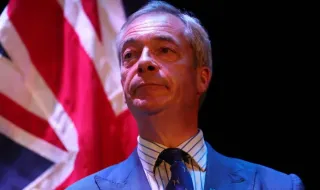
Reform UK leader Nigel Farage accused British Prime Minister Andy Burnham of “betrayal” over the agreements with the European Union reached at the summit in Brussels. According to Farage, the agreements represent a gradual step towards bringing the United Kingdom back into the EU.
“We do not need to be in a political union of any kind in order to trade and have good relations with our neighbours,” Farage said. In his words, Burnham is “gradually” leading the country towards a new debate on whether it should rejoin the European bloc. He added that the agreements bring the United Kingdom back into “part of the single market”.
Farage acknowledged that the agreement on agricultural and food standards could facilitate the export of British products, but said that the price was a loss of control over the rules. He pointed out that Labour had been elected on a promise not to take the country back into the single market.
What the United Kingdom and the EU agreed
London and Brussels agreed to remove most checks and restrictions on trade in food and agricultural products. The new sanitary and phytosanitary regime is due to enter into force on 1 March 2028.
The two sides will also link their emissions trading systems. According to the data presented, this will exempt around £6.5 billion worth of British exports, including steel and aluminium, from the European Union’s carbon tariffs. A youth scheme was also agreed, allowing citizens aged 18 to 31 to live and work in the other jurisdiction for up to three years. The first participants are expected to travel no later than January 2030.
The issue of university fees remains a separate dispute. European countries insist that their students in the United Kingdom should pay the same fees as British students. This would mean reducing the annual fee from around £38,000 to £9,970, but the British government is currently opposed because of the impact on university finances. A six-month deadline has been set for reaching an agreement.
Burnham defends the agreement
The prime minister described the outcome as “a win-win for both sides” and said it would restore more constructive relations with the closest neighbours and the United Kingdom’s biggest market. The European Commission described the meeting as a turning point in relations between London and Brussels.
The United Kingdom and the EU also agreed on a structured dialogue on migration and closer cooperation under the plan for the English Channel, aimed at combating human trafficking networks. Burnham said that discussions on the long-term options for relations with the EU would begin after the meeting, and that his views should be presented in a 10-year plan in December.
The prime minister has said that all options can be discussed, including possible rejoining of the EU, but that such a change is not immediately on the agenda. Under the political restrictions agreed so far, the United Kingdom should not return to the customs union, the single market or the free movement regime before the next parliamentary elections.
Sources: itv.com, apnews.com