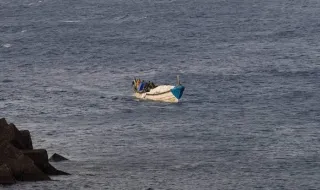
A new migrant wave has put pressure on the Canary Islands after more than 11,000 people reached the Spanish archipelago by sea between November 1 and 15. Data from Spain’s Interior Ministry show that the total number of arrivals in 2026 has already reached 24,364 – 65.9% more than during the same period last year.
The pressure is greatest on El Hierro, an island with a population of around 12,000. On November 22, the Spanish news agency EFE reported that three boats carrying a total of 231 people had been escorted to the port of La Restinga. The first boat was carrying 74 people, including five women and three children.
Record arrivals in two days
The most intense episode so far was recorded on November 13 and 14, when 2,331 people arrived on the islands aboard 22 boats. On November 14 alone, the number reached 1,488 – the highest daily figure on this route since 2020.
In October alone, the Canary Islands received 6,194 migrants. By comparison, 17,788 people arrived by sea throughout 2025. El Hierro received 11,296 people between October 1 and November 13, while the figure for the first nine months of the year was 3,520.
Senegal once again a key point of departure
Most boats depart from Senegal, Gambia, Mali and Guinea. According to an analysis by “El País”, at least 62 of the 102 boats that reached El Hierro in October and the first half of November departed from Senegal.
Factors cited include calmer seas in autumn, economic difficulties, the crisis in the fishing sector and weaker controls along parts of the Senegalese coast. Attempting to cross the Atlantic in overcrowded boats remains extremely dangerous, and the journeys can last for days or weeks.
Reception centres under pressure
Spanish authorities declared an emergency situation due to the sharp increase in arrivals and earmarked additional funds to expand reception centres. Migrants are usually transferred from El Hierro to the larger islands, where there is more accommodation and greater capacity to process cases.
“The situation is absolutely unsustainable,” Canary Islands regional president Fernando Clavijo said, according to Reuters. Spanish authorities and the regional government continue to discuss the transfer of arrivals and the distribution of minors among the autonomous communities.
The increase in arrivals has already become a central issue in the election campaign ahead of Spain’s parliamentary vote on November 29.
Sources: apnews.com, efe.com, elpais.com