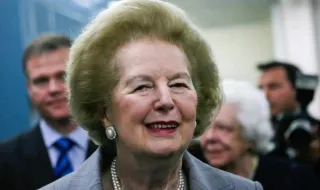
On November 28, 1990, Margaret Thatcher officially resigned as Prime Minister of the United Kingdom. The day before, John Major was elected leader of the Conservative Party, thereby being designated as her successor. Thatcher left office after more than 11 years at 10 Downing Street, making the end of her tenure one of the most significant political turning points in British history.
The road to her resignation began with an internal battle within the ruling party. On November 20, 1990, Thatcher received 204 votes against Michael Heseltine’s 152 in the first round of the leadership election. She failed to secure the necessary lead, however, and announced that she would not take part in the second round. Finance Minister John Major and Foreign Secretary Douglas Hurd subsequently entered the race.
On November 22, Thatcher announced that she would step down after speaking with Cabinet colleagues. In her statement, she said that the unity of the party and the prospect of victory in the next general election would be better safeguarded if she stepped aside and allowed other Cabinet members to compete for the leadership.
Major Wins After the Second Round
On November 27, John Major received 185 votes, Michael Heseltine – 131, and Douglas Hurd – 56. Hurd and Heseltine withdrew after the result was announced, leaving Major as the sole candidate for leader of the Conservative Party. The following day, he officially took over as prime minister.
“Our task now is clear: we will unite the party fully and win the next election,” Major said after his election.Thatcher described his victory as a cause for satisfaction and called on Conservatives to unite behind the new leader. Major’s election brought an end to her leadership of the party, which had begun on February 11, 1975.
The End of the “Iron Lady” Era
Margaret Thatcher became the first woman Prime Minister of the United Kingdom on May 4, 1979. She was also the first British prime minister with a university degree in the natural sciences – she graduated in chemistry from the University of Oxford. Known as the “Iron Lady,” Thatcher won three consecutive general elections and remained at the head of the government until November 28, 1990.
Pressure on her intensified in the autumn of 1990 following Geoffrey Howe’s resignation and disputes over European policy. Heseltine’s challenge turned the internal party conflict into a leadership crisis that ended with Thatcher’s withdrawal. Her departure brought to a close the longest uninterrupted period in office by a British prime minister during the 20th century.
Sources: theguardian.com, washingtonpost.com