The European Parliament called on Czechia to amend its plan for financing public media and to guarantee their editorial and financial independence. The resolution was adopted with 442 votes “for”, 158 “against” and 47 “abstentions”.
At the center of the dispute is the Czech government’s bill to replace licence fees with funding for Czech Television and Czech Radio through the annual state budget. According to the European Parliament, the proposed level of funding would reduce the combined resources of the two media outlets by around 15 percent.
“Any reform must guarantee adequate, sustainable and predictable resources for public media,” the resolution states. MEPs insist that the changes comply with the European Media Freedom Act, including its requirements for editorial independence and protection from political interference.
Criticism of the adoption process
The Parliament condemns the lack of transparency and meaningful consultations with stakeholders during the preparation of the bill. MEPs also point out that the text passed its first reading in the early hours of 24 October, which they say limited the ability of dozens of lawmakers to take part in the debate.
MEPs call for all future reforms in the sector to be assessed in advance for their impact on the impartiality and independence of public media. They also warn against the use of expedited procedures for significant legislative changes.
Protests and strike
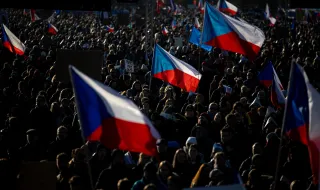
The proposal triggered resistance among employees of both media outlets and in Czech society. On 3 November, employees of Czech Television and Czech Radio staged a one-day strike. On 15 November, hundreds of thousands of people gathered in Prague for a demonstration against the plan to change the funding system.
According to the European Parliament, the concerns are not limited to the budget of public media. The resolution also points to the risk of political influence over the public administration and Prime Minister Andrej Babiš’s unresolved conflict of interest. MEPs view these circumstances as part of a broader risk to democratic checks and balances in Czechia.
What happens next
The European Parliament called on the European Commission to monitor developments surrounding the bill, seek an opinion from the European Board for Media Services and assess the risks to the rule of law and funds from the European Union budget. If non-compliance is established, enforcement action under European law and budgetary measures may follow.
The resolution also condemns verbal attacks and smear campaigns against journalists and civil society, as well as the refusal to allow media outlets access to government press conferences. Czechia is urged to expand safeguards against abuses of strategic lawsuits and abandon plans for a special register of organisations and individuals receiving foreign funding.
Sources: apnews.com, euronews.com