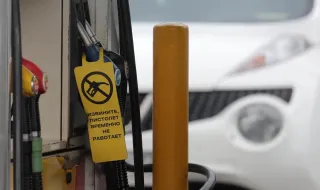
Russia is facing a fuel shortage, but it is not yet being felt nationwide, Deputy Prime Minister Alexander Novak said. According to him, the authorities are compensating for the shortage with additional deliveries and the postponement of scheduled repairs at oil refineries.
“There is a shortage, but it is not being felt for now,” Novak told journalist Pavel Zarubin. He specified that Moscow plans to increase supplies to the domestic market through larger imports from near and far abroad, as well as by increasing domestic production.
Restrictions Already in Force in Several Regions
The measures are most noticeable in Karelia, where since November 8, Rosneft filling stations have been selling up to 30 litres of petrol and up to 50 litres of diesel per vehicle. The sale of fuel in containers has been suspended.
The authorities in Leningrad Region recommended that filling stations introduce the same temporary limits. Governor Alexander Drozdenko explained that the restrictions were linked to decisions by major oil companies and aimed at preventing panic buying.
Less stringent limits have been in effect in Penza Region since November 17. There, up to 50 litres of petrol and up to 200 litres of diesel are sold per person, while filling containers is also prohibited.
Repairs and Attacks Put Pressure on the Market
Earlier, Novak described the situation on the Russian fuel market as “quite tense.” He cited several oil refineries being under repair as the main reason. Asked about the damage to refineries following Ukrainian attacks, the deputy prime minister said the authorities were relying on additional deliveries, postponing repairs and quickly restoring the affected facilities.
The Federal Antimonopoly Service has initiated 76 proceedings and issued 125 warnings. According to the Russian authorities, 99 of these measures have already been implemented, leading to a local decrease in fuel prices.
The Effect on Bulgaria
The developments on the Russian market are taking place against the backdrop of a changed policy on fuel exports in Bulgaria. Restrictions on the export of diesel and aviation fuel were lifted by a decision of the National Assembly that came into force on September 29, 2026.
Russia’s restrictions do not automatically mean a fuel shortage in Bulgaria. However, the country is part of the common European market, and changes in international deliveries, transport costs and availability may affect prices and competition on the domestic market.
Sources: gazeta.ru, fontanka.ru, nova.bg