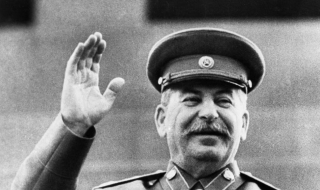
The Molotov-Ribbentrop Pact, concluded on August 23, 1939, between the Soviet Union and Germany, divided Europe into two spheres of influence through its secret additional protocols. The subsequent mass deportations and murders committed by Stalinism and Nazism fall into the category of war crimes and crimes against humanity.
On August 23, 1939, the USSR and Germany concluded a non-aggression pact, known as the Molotov-Ribbentrop Pact. It was signed in Moscow by Soviet Foreign Minister Vyacheslav Molotov and his German counterpart Joachim von Ribbentrop. Joseph Stalin personally attended the ceremony. The treaty was written in two copies – in Russian and German and consists of 7 articles and a secret appendix.
As a result of all these actions, the USSR included significant territories with a population of 14 million people. The country's border was moved west in various places at a distance of 300 to 600 km.
The treaty is considered one of the most important steps that led to the outbreak of World War II. It was terminated on June 22, 1941, when Germany attacked the USSR.
Before that, however, on September 1, 1939, Germany attacked Poland. Warsaw's allies - Great Britain and France, declared war on Germany on September 3. But they did not provide real military assistance to the Polish government, which ensured a quick victory for Hitler.
In the new international conditions, the USSR leadership proceeded to implement the agreements of August 1939. On September 17, after the defeat of the Polish army by the Germans and the fall of the Polish government, the Red Army entered Western Belarus and Western Ukraine. After the capitulation of Poland in the middle of the month, the war entered a period of relatively low activity, known as the Strange War.
In 2008, the plenary session of the European Parliament adopted a written declaration proposing the declaration of August 23 as the European Day of Remembrance for the Victims of the Crimes of Stalinism and Nazism. The declaration was adopted in order to preserve the memory of the victims of mass deportation and extermination by the two regimes.
However, we must admit that in December 1989, the Supreme Soviet of the USSR adopted a Resolution of the Council of People's Deputies of the USSR on the political assessment of the Soviet-German Non-Aggression Pact of 1939, where it condemned the secret protocols to the treaty, describing them as the personal will of the rulers, having nothing to do with the wishes of the Soviet people.
Here is what the Great Soviet Encyclopedia says on this issue:
"The position of the Western countries predetermined the failure of the Moscow negotiations and placed the Soviet Union before an alternative: to find itself in isolation in the face of the direct threat of attack by fascist Germany or, having exhausted the possibilities of an alliance with Great Britain and France, to sign the non-aggression pact proposed by Germany and thus postpone the threat of war. The situation made the second choice inevitable. The Soviet-German treaty concluded on August 23, 1939, contributed to the fact that, despite the calculations of Western politicians, the world war began with a clash within the capitalist world."