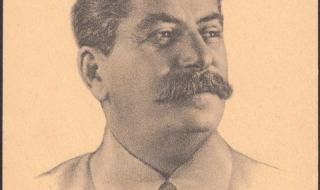
On August 22, 1941, the Red Army soldiers began to receive the "People's Commissariat" 100 grams of vodka. The Chairman of the State Defense Committee of the Soviet Union Joseph Stalin signed Decree No. 562 on the daily receipt of half a glass of alcohol by the soldiers.
The supply of vodka to the army was personally supervised by the member of the Politburo of the Central Committee of the CPSU (b), People's Commissar (Minister) of the Food Industry Anastas Mikoyan. The distribution of the drink was to be personally monitored by the commanders of the fronts.
This move by Stalin has its own explanation. On the same day, the Nazi troops reached Leningrad. The blockade of Leningrad during the Great Patriotic War lasted 872 days.
The Wehrmacht troops, under the command of Field Marshal Leeb, blockaded Leningrad - all roads and railways were blocked, except for the secret "Road of Life", passing through the frozen Lake Ladoga. The city's residents suffered enormous hardships, hunger and severe frosts killed entire families.
On January 14, 1944, the Leningrad and Volkhov Fronts went on the offensive. The goal was to break through the ring and surround the German army blocking Leningrad between Krasnosel and Ropshi, which happened on January 18, 1943. The German units were forced to loosen the noose from the city and on January 27, 1943, the blockade around Leningrad was finally lifted.