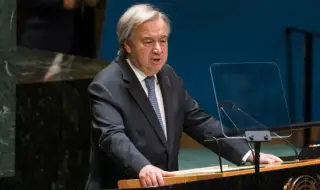
At a meeting of the UN General Assembly today, it will be considered draft resolution on the genocide in Srebrenica, which was initiated by Germany and Rwanda, Serbian media reported, BTA reported.
The document calls for July 11 to be declared the International Day of Remembrance for the 1995 Srebrenica Genocide and condemns genocide denial and glorification of war criminals.
Serbian President Aleksandar Vucic, who is leading an active campaign against the adoption of the resolution, will take part in the meeting.
On July 11, 1995, the Muslim enclave of Srebrenica was captured by Bosnian Serb forces under the command of Gen. Ratko Mladic. Bosnian Serbs slaughter 8,000 Muslims – men and boys located in an enclave declared a security zone by the United Nations.
The latest changes to the text of the resolution were proposed by Montenegro, which initially said it would vote "against“ the resolution. Changes include the presence of the phrase "individual fault" instead of "the fault is not collective". According to the government of Montenegro, this is an additional contribution to regional reconciliation and good relations between Serbs, Bosnian Muslims and all other peoples of the Balkans.
The amendments sent by Montenegro to the importers are intended to contribute to the elimination of distorted and wrong interpretations and to prevent misunderstanding and further politicization of this issue,” said a statement from the office of Prime Minister Milojko Spajic , quoted by the Montenegrin state TV RTCG.
A day before the meeting, the president of the Republika Srpska, part of Bosnia and Herzegovina, Milorad Dodik, again threatened to secede the semi-autonomous part, populated mainly by ethnic Serbs, if the resolution on the genocide in Srebrenica is adopted.
"Bosnia and Herzegovina has reached its end, or rather, it was brought to its end by those who swore by it,” Dodik said on the X Network yesterday. "The only thing left is for all of us to make an effort to be good neighbors and part in peace," he added.
For the draft resolution to be adopted, it must be approved by a majority of UN member states. Russia and China, which are traditional allies of Serbia, are likely to vote against the resolution, Belgrade media noted.