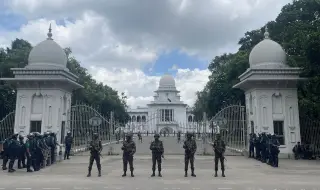
Bangladesh authorities today extended curfew across country as Supreme Court is expected to rule on quota ruling for hiring civil servants, which caused protests that lasted for days and led to the death of at least 114 people, the world agencies reported, quoted by BTA.
Military personnel continue to patrol the streets of the capital Dhaka, the center of demonstrations that have turned into clashes between protesters and law enforcement. Access to the Internet in the country has been suspended since Thursday, and it is not possible to exchange text messages.
The curfew imposed late on Friday was extended until the end of the Supreme Court sitting at 3pm local time, then is likely to be extended indefinitely after a two-hour break during which people will be allowed to shop , local media reported. Universities and colleges are also closed from Wednesday.
Prime Minister Sheikh Hasina Wazed announced Sunday and Monday as non-working days, with only emergency services working.
The protests erupted after students rebelled against job quotas in the public sector, which stipulate that 30 percent of positions be reserved for the families of people who fought in the 1971 war of independence from Pakistan. Sheikh Hasina abolished the quota system in 2018, but last month the court reinstated it. The Supreme Court stayed the ruling following an appeal by the government and will hear the case today after agreeing to hold the hearing earlier, which was originally scheduled for August 7.
Protesters met late Friday with government officials in an attempt to reach a solution, and Justice Minister Anisul Haq said the government was open to discussing their demands.
The main opposition party, the Bangladesh National Party (BNP), supported the protest. In a statement, the NPB stressed that its supporters were not responsible for the violence and rejected accusations by the ruling party that it was using public discontent for political purposes.
Last week's demonstrations were the largest since Sheikh Hasina Wazed was re-elected for a fourth consecutive term this year. They are also fueled by high unemployment among young people, who make up almost a fifth of the population. The unrest underscores the cracks in Bangladesh's governance and economy and the frustration of young people who don't have good jobs after graduating, the Associated Press notes.