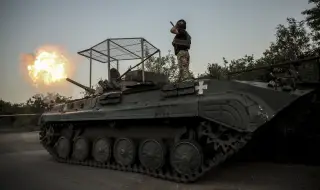
Ukrainian army's Kursk operation fatal undermined the argument that Russia would use nuclear weapons if certain lines were crossed. But surprisingly, the West is still hesitating, writes The Telegraph.
The next logical step is obvious: for the West to give more weapons and permits to Ukraine. If the Kursk operation fails in its objectives and Moscow continues to advance in Ukraine, then the surprise invasion will not have achieved much. Much depends on the coming days. Britain and the West must act before the opportunity is missed.
The fact that the invasion has not yet prompted countries such as Britain to authorize further arms transfers, such as Storm Shadow missiles, is puzzling and disappointing given Britain's role in setting the tone for other powers on NATO.
Politically for Volodymyr Zelensky, the operation is of extreme importance. It's a high-risk, high-reward gamble. He may try to use captured Russian conscripts as leverage to free Ukrainian prisoners of war. More importantly, holding Kursk could play a significant role in the upcoming negotiations with Russia. Zelensky has already indicated that a second peace summit planned for the end of this year will include the Russian side. The first indications of this may appear during today's visit to Kiev by Indian Prime Minister Modi, who previously visited Moscow and positioned himself as a potential mediator in the conflict.
All this underlines the urgent need for the West to do more. In 2024, with limited Western resources and falling morale at home, Ukraine relied on ingenuity to stay in the fight. Some Ukrainian sources believe this represents the best chance to end the war of attrition and bring Russia to the negotiating table on Ukraine's terms.
The success of the operation of the Ukrainian army in the Kursk region is not guaranteed, the West must act quickly, supporting the Ukrainian forces with weapons. In the eastern part of Ukraine, the Russian army continues to advance.