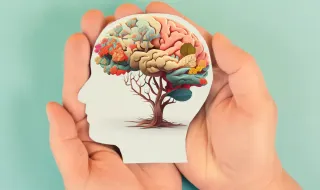
The human brain goes through three major phases of change throughout life - rapid restructuring in the early years, relative stability in middle age, and new activation of cellular processes in later years. This is shown by a large-scale study of the prefrontal cortex, published in the journal Nature.
Scientists analyzed over 1.3 million cell nuclei from the brain tissue of 284 donors aged between 0 and 97. The study is part of the PsychAD project, which is building a detailed atlas of changes in the human brain with aging and in diseases such as Alzheimer's, Parkinson's, schizophrenia and bipolar disorder.
The first turning point is around 24 years
The prefrontal cortex is involved in decision-making, planning, memory and behavioral control. In childhood and adolescence, different types of cells change rapidly as the brain makes new connections and reorganizes itself.
Around age 24, the pace of these changes slows down. A period of relative stability sets in, which continues into middle age. The data does not mean that the brain stops developing or that all people reach the same level of maturity at that exact age. They show a change in the overall pattern of activity of the cells studied.
“This atlas provides an essential starting point for understanding healthy brain aging at the molecular level,“ said co-author Dr. Kiran Girdhar of the Icahn School of Medicine at Mount Sinai Hospital in New York.
After 60-65 years, other cellular processes are activated
The second major change occurs in late adulthood. The submitted data describe it as starting after 60 years, while the Nature publication indicates a new cellular reprogramming around age 65. This is a guideline, not a universal limit for every person.
As we age, glial cells, which support and protect nerve tissue, as well as immune cells in the brain, become more active. They are involved in processes related to cellular stress, inflammation, and the handling of damaged proteins.
The study also found a change in the internal 24-hour rhythm of brain cells. In young and middle-aged people, neurons associated with planning, memory, and decision-making showed clearly coordinated activity during the day and night. After age 60, this pattern largely fades as immune cells acquire new rhythmic activity.
“The brain doesn't just stop keeping track of time, it changes what it keeps track of,“ explains Dr. Girdhar.Atlas could help study dementias
Scientists link some of the changes they observed to the resilience or vulnerability of nerve cells in Alzheimer's disease. In some people with tau protein buildup, differences in the way nerve and protective cells respond to stress are seen. According to the authors, this may help to clarify why some patients retain their mental abilities for longer.
“By mapping common and specific cellular programs in Alzheimer's disease, related dementias and psychiatric disorders, PsychAD creates a framework for moving beyond traditional diagnostic boundaries to precise approaches for target discovery, biomarker development and prioritization of therapies“, says lead author Professor Panos Roussos.
The results describe biological patterns in brain tissue examined after death and do not constitute a diagnostic test. Nor do they prove that the change occurs at the same age in all people. Their value lies in creating a reference map with which future studies can compare healthy aging with processes in brain diseases.
Sources: Woman.bg, Nature