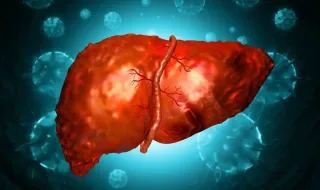
The body can recover from some of the damage caused by alcohol, but this depends on the duration and amount of use, as well as the damage that has already occurred. The most important step is to limit or completely stop drinking alcohol, especially if you have established liver disease.
More than 16 million adults in the UK continue to drink in a way that poses a risk to their health. Richard Piper, chief executive of Alcohol Change UK, warns that even one drink a day can put you over the 14-unit weekly limit used as a guideline for low-risk drinking.
“Even if you drink little or no alcohol during the week, compensating at the weekend is risky,” says Piper.When the damage can improve
Alcohol is mainly processed by the liver and regular use can lead to a build-up of fat, inflammation and gradual scarring. According to the UK's National Health Service, fatty liver can often be reversed if a person stops drinking. In alcoholic hepatitis, some of the damage can also be reversed, but recovery is not guaranteed.
With cirrhosis, the picture is different. Advanced scarring usually can't be reversed, but quitting alcohol can prevent further damage and reduce the risk of serious complications. Alcohol can also affect other organs, including the brain, pancreas, cardiovascular system, and digestive tract, according to the National Institute on Alcohol Abuse and Alcoholism.
The Risks of Binge Drinking
It's not just the amount you drink in a week that's the problem. Rapid, heavy drinking puts a strain on your liver and poses immediate health risks. Binge drinking is defined as drinking more than eight units of alcohol for men and more than six units for women on a single occasion. That's about four pints of beer for men and four glasses of wine for women.
Piper notes that the body reacts especially strongly when a large amount of alcohol is consumed in a short period of time. This increases the risk of accidents and acute health problems, even if a person does not drink every day.
Stopping abruptly can also be dangerous
The UK's National Health Service warns that with regular heavy use, suddenly stopping alcohol can cause dangerous withdrawal symptoms. Therefore, people who drink significant amounts every day or have an addiction should not make a sudden change without medical advice.
Recovery does not automatically mean erasing all effects. In earlier stages of alcohol damage, improvement can be significant, while in cirrhosis the aim is mainly to stop the progression of the disease and limit the risk of further complications.
Sources: iNews