



The large-scale project is the work of specialists from Renault Korea, with the market debut of the first production car featuring this technology planned for 2027. The strategic goal of the innovation lies in the uncompromising combination of low fuel operating costs with the high performance of hybrid architectures.
The technological core of the new system is based on the direct high-pressure injection of LPG in its liquid phase, known as LPDi. Unlike conventional gas systems, this approach ensures exceptionally precise metering and control of the combustion process, dramatically increasing thermal efficiency.
The engineers have successfully integrated the innovative gas engine with the established E-Tech hybrid system. It relies on two electric motors and a complex series-parallel architecture, allowing the car to travel either entirely on electric power or through the combined operation of both energy sources.
The project itself is being developed in close cooperation with the Korea LPG Association. The partnership began as early as May 2024 with the signing of a key agreement on joint development and continued in autumn 2025 with preparations for mass production.
Laboratory and road tests of the experimental prototypes conducted so far have demonstrated an impressive reduction in fuel consumption compared with standard gas-powered vehicles, while also meeting the strict environmental requirements of the SULEV30 standard.
Despite the technological details revealed, the group’s management has yet to disclose the exact performance figures, the system’s output and the capacity of the traction battery.
From a historical perspective, the Korean division’s move is a logical continuation of its long-standing experience with alternative fuels, which began in 2014 with the SM5 LPLi sedan and was expanded in 2019 with the popular QM6 LPe crossover.
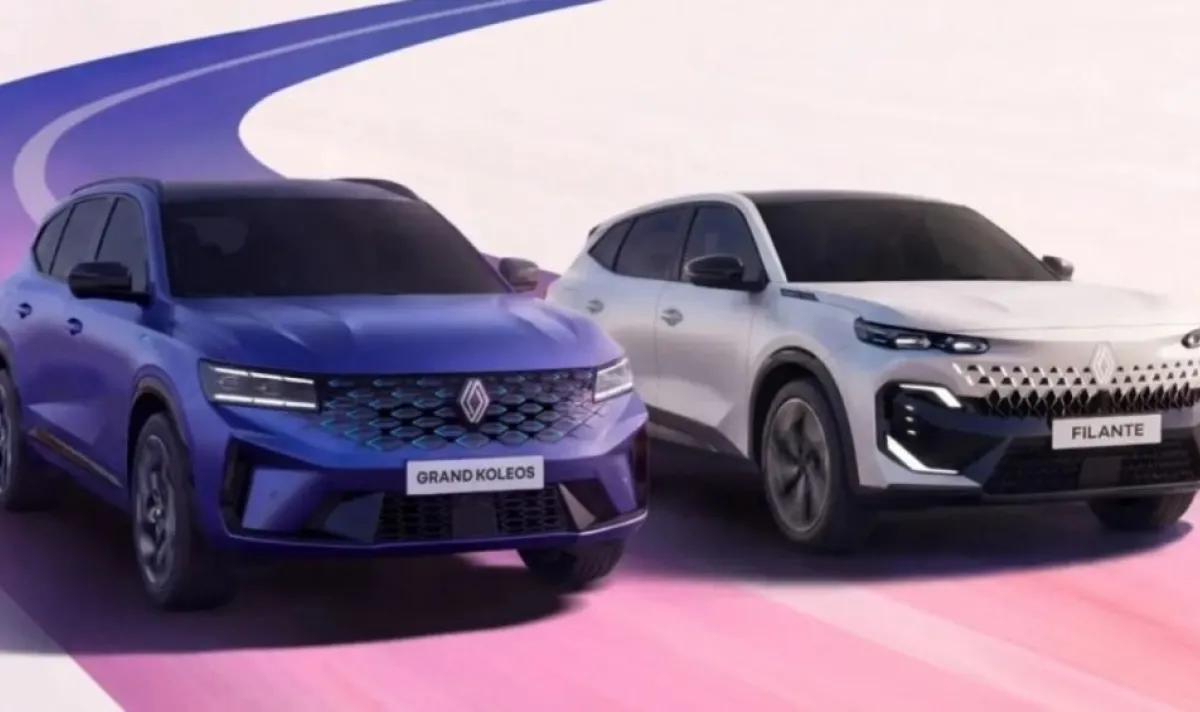
At present, the brand has yet to name the specific production model that will receive the pioneering powertrain, although analysts are tipping the new Grand Koleos crossover as the most likely candidate.
The official market launch of the unique hybrid is scheduled for 2027, while potential exports to Europe and other global markets remain uncertain pending the completion of the final production schedules.