


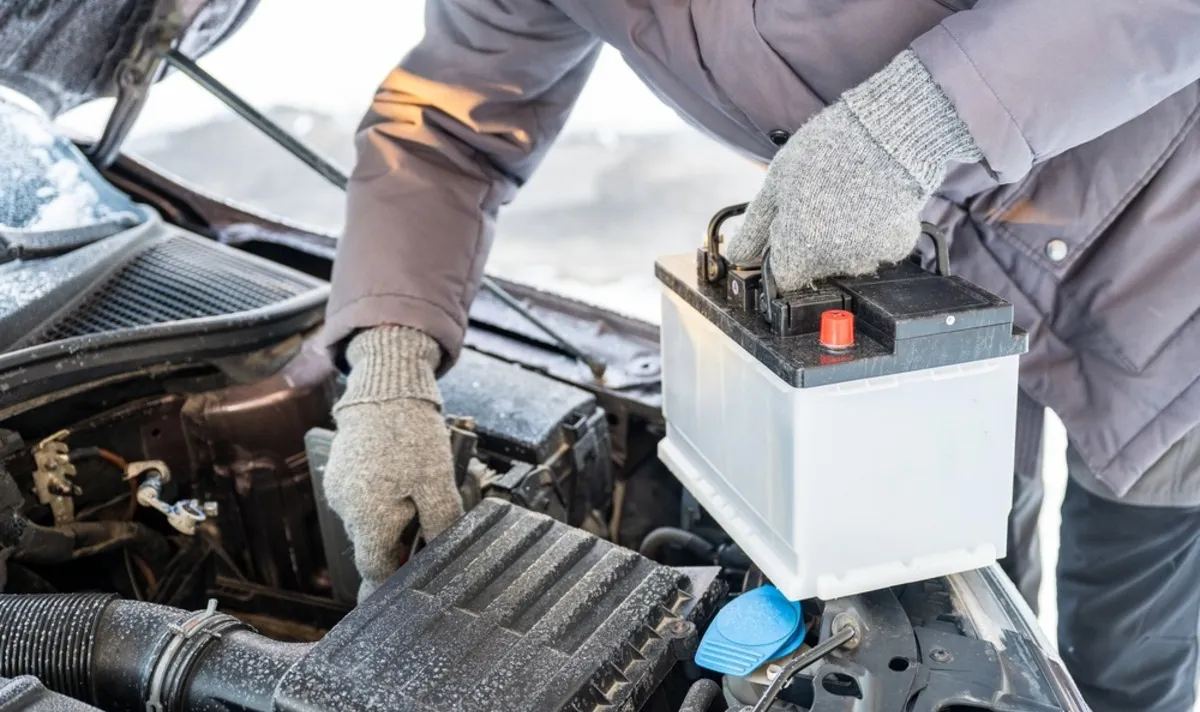

The winter months put the entire electrical system of the car to an extremely severe test, with the most vulnerable unit traditionally remaining the battery. As temperatures drop below zero, the physical and chemical processes inside the device slow down dramatically, which leads to a significant decrease in its ability to generate the necessary high starting current. The situation is further complicated by the fact that the engine oil thickens significantly during the night's stay, forcing the starter to overcome much greater resistance when turning the crankshaft. As a result, the load on the on-board network increases dramatically, and starting the engine becomes a serious challenge.
However, cold weather is not the only and sometimes even the main culprit for the sudden failure of the battery. Often the problem lies in systematic undercharging and increased energy consumption, which exceeds the capacity of the alternator. During the winter season, the electrical system works at maximum speed due to the simultaneous use of heated seats and windows, powerful heating fans, headlights and a number of other consumers. When the driver mainly practices short city routes, the alternator simply does not have the physical time to restore the energy spent on cold start and operation of the heating systems, which leads to a chronic deficit of charging current.
This constant state of undercharging shortens the battery life and accelerates the irreversible processes of wear and sulfation of the plates. Low temperatures only bring to the fore hidden defects and accumulated problems in the electrical circuit, instead of being their root cause. If the car refuses to start or the battery regularly loses charge, experts recommend a mandatory leakage current check with consumers turned off, as hidden leaks can drain even a brand new module in a matter of hours.
Timely preventive diagnostics before the onset of real frosts can save you from unpleasant surprises on the road. It includes a thorough inspection of the condition of the terminals, power supply cables, grounding points and the tension of the alternator drive belt, as well as checking the charging efficiency under load. It should also be borne in mind that in some modern car models, replacing the battery requires mandatory software adaptation and diagnostic scanning of the on-board computer. Deep discharges, operation in chronic undercharge and parasitic current consumption when parking are the main factors that determine how long the battery will last before the next replacement.