


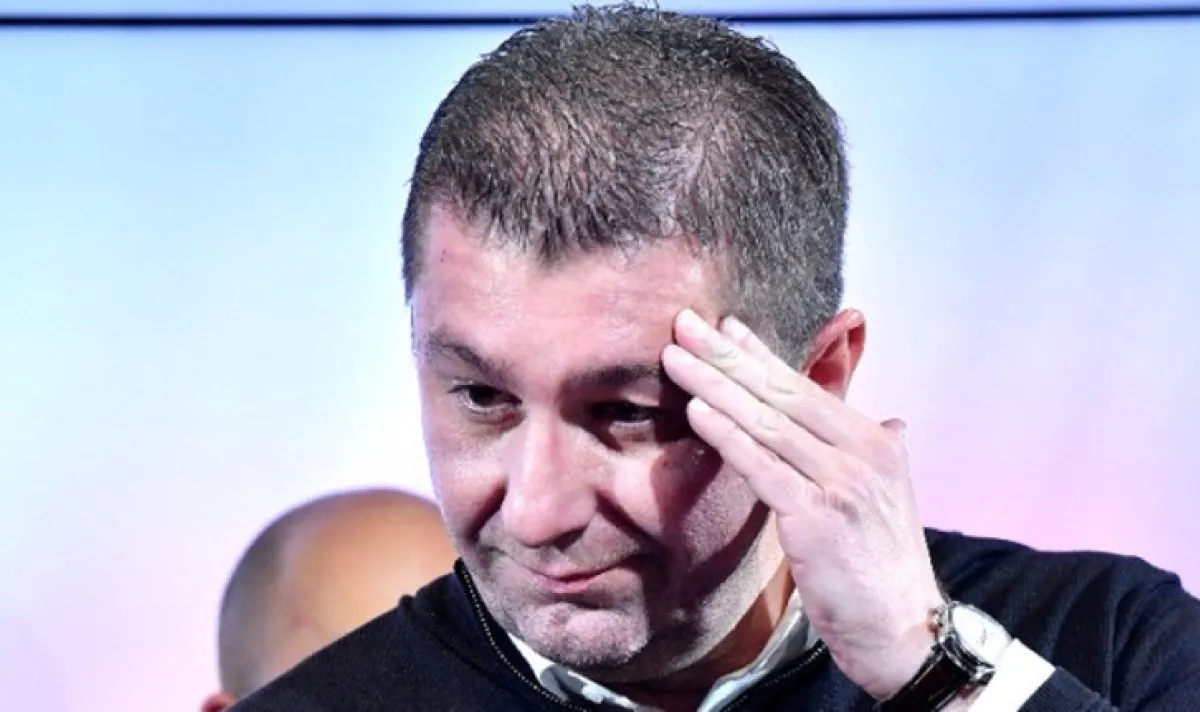

The Prime Minister of the Republic of North Macedonia, Hristijan Mickoski, accused Bulgaria of using its membership in the European Union to hinder his country's European integration. He made his statement at an official ceremony on the occasion of October 23 - the Day of the Macedonian Revolutionary Struggle.
Mickoski described the path to the EU as the longest and most difficult, marked by conditions, delays and, in his words, unfair blows. “The strong do what they want, and the weak - what they have to. This is not just a textbook cliché, but a reflection of real politics today“, the Prime Minister said.
According to him, after joining the EU, Bulgaria has started to use European mechanisms to put pressure on Skopje. Mickoski claims that before Bulgaria's membership in the Union, Sofia did not raise the issue of including Bulgarians in the constitution of North Macedonia and did not raise the disputes surrounding historical figures in the same way.
“Until the time of its own accession, our eastern neighbor had not expressed a single objection regarding good neighborly relations“, he said.
Constitutional changes remain a condition for the EU
However, the European Union points to the adoption of the agreed constitutional changes as a necessary next step towards the formal start of membership negotiations. The changes must include Bulgarians among the peoples mentioned in the constitution of North Macedonia. This condition is set out in the conclusions of the EU Council of July 2022.
Despite criticism of Bulgaria, Mickoski said that abandoning the negotiation process is not a solution. “They often tell us: “Leave the negotiations!“ It is easy to say, but in this way we would waste our only chance to enter the club and sit at the same table as equals,“ he pointed out.
The Prime Minister also rejected the possibility that Skopje's political course could be changed under external pressure. In his words, no veto can change the country's historical memory. “No amount of pressure can erase Gotse Delchev from the hearts of the Macedonian people“, said Mickoski.
Warning about instability and political provocations
In his speech, Mickoski warned that instability in Europe and the Balkans could create additional risks for North Macedonia. He said that intelligence services in the region continue to operate and that it is possible that some entities may try to involve the country in foreign conflicts.
The prime minister also made accusations against unnamed opposition representatives. According to him, they could be involved in political provocations in exchange for money and promises of high positions. Mickoski did not name specific names or provide evidence to support his claims.
He called on citizens not to succumb to provocations and “artificially imposed questions“ and “overexposed ethnic themes“.
Sources: news.bg, nova.bg, skopje1.mk