


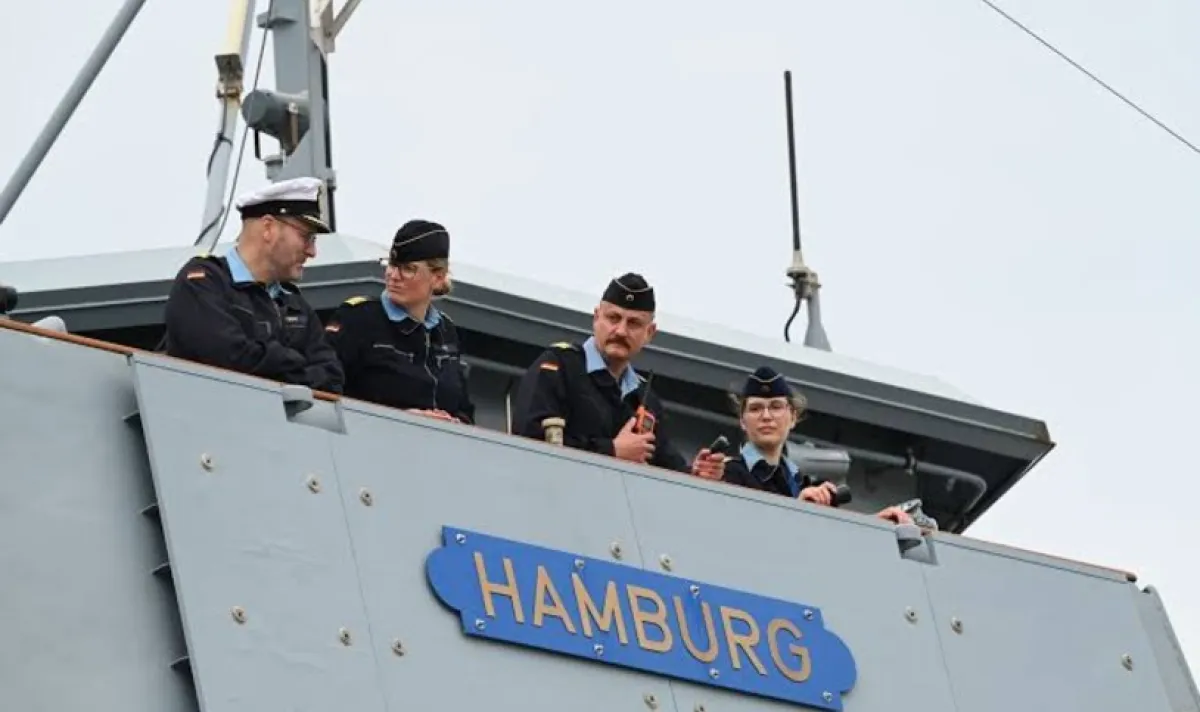

The Bundestag has extended Germany’s participation in the European EUNAVFOR MED IRINI operation in the Mediterranean until November 30, 2027. The decision was adopted on November 12 with 315 votes “in favor,” 270 “against” and three abstentions.
The mission will continue with up to 300 German service members – the same number provided for in the previous mandate. Germany has participated in IRINI since May 7, 2020, while the operation is aimed at supporting security and stabilizing Libya.
Tasks Changed Following the Expiry of the UN Resolution
The new mandate takes into account the change in the international legal framework. Following the expiry of UN Security Council Resolution 2292 and the subsequent resolutions on May 31, 2026, the operation no longer has the authority to enforce the arms embargo against Libya through inspections of ships.
Gathering information on possible violations and passing it on to the UN remains permissible. Key tasks continue to include preventing the illegal export of oil from Libya and curbing the activities of smuggling and human-trafficking networks.
According to the German government, IRINI forces will also monitor the activities of the so-called Russian “shadow fleet“ – ships used to circumvent sanctions and for activities related to illegal transport. Service members will carry out maritime surveillance, intelligence-gathering and information-sharing tasks, operating within the framework of international maritime law.
The Mission Remains Controversial for the Opposition
The extension was supported by the governing majority of the Christian Democratic Union/Christian Social Union and the Social Democratic Party of Germany. Opposition lawmakers objected to the continuation of the operation and questioned the scope of its tasks following the removal of the legal basis for inspections of suspicious ships.
The Left tabled a motion to end Germany’s participation and provide stronger support for civilian maritime rescue. It failed to secure the necessary majority. Party representatives said that the mission is also being used to restrict migration in the central Mediterranean.
Speaking in favor of the extension, SPD lawmaker Ralf Stegner acknowledged that the operation does not solve all of Libya’s problems, but said: “Without this mission, the suffering would be greater and security lower,” dpa-AFX reported.
The expected additional costs of Germany’s participation through the end of November 2027 amount to 16.6 million euros. The operation remains part of the European Union’s efforts to support the political process and the stabilization of Libya.
Sources: onvista.de