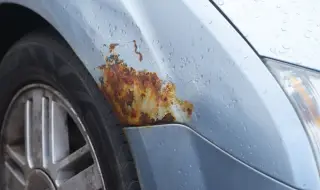
While most motorists focus on power, fuel economy or infotainment systems, there is one key element to the longevity of any car that often goes completely unnoticed: the anti-corrosion coating of the body. And more specifically - the so-called – wash-out window“.
This is a term that engineers use to describe the critical period of time after a car is manufactured, during which the protective coatings of the body - often based on zinc and phosphates - are most vulnerable.
After a car rolls off the assembly line, it is covered with layers of paint and protective primers. These coatings, often applied by a process called cataphoresis, are extremely effective against rust. But their resistance is not absolute right away.
The window in which the coating is “cured” or “matured” is very important. If a new car is exposed to highly aggressive external factors – for example, prolonged exposure to salty road slush or highly corrosive cleaning chemicals – in the first few weeks after production, the risk of premature corrosion increases dramatically.
During this period, the chemical bonds in the protective layer are still stabilizing. Aggressive salts or acids have a greater chance of penetrating microscopic pores or compromising edges where the layers are thinner. Even a small disruption to the coating can create a “penetration point” for moisture and oxygen.
This technical detail has direct relevance for owners. When buying a new car, it is advisable to adhere to a few simple rules:
First cleaning: Be careful with aggressive cleaning agents or car washes that use strong chemicals, at least for the first month.
Salt and frost: If your car was delivered in the winter and is immediately exposed to roads treated with salt, try to wash it regularly, but with gentle detergents. Do not let salt mud stagnate on the sills and fenders.
Additional protections: This is the moment when applying an additional wax coating or sealant can be most useful, as it adds another physical shield on top of the still "maturing" factory protection.
Manufacturers take into account the "washing window" in their logistics processes, trying to minimize the time that new coupes are exposed to the elements during transportation. However, the journey from the factory to your garage can be crucial.
After this period has passed, the factory anti-corrosion protection reaches its maximum effectiveness. Knowing this hidden feature allows you to better take care of the long-term health and value of your new car.