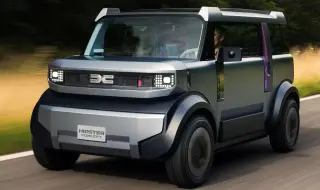
Expensive electric cars, with prices that often make the average European grab their heads, may soon be a thing of the past. The European Union, which has its eyes set on the upcoming Chinese electric wave, finally seems ready to set the mechanisms in motion for change. Brussels plans to announce in December the creation of an entirely new, more gentle category for small electric vehicles, an act that many see as a lifeline for the European car industry and for consumers.
The European Commissioner for Industry, Stephane Séjournay, has shed light on the ambitious plan. The Commission is working feverishly to define an intermediate class - a kind of – "bridge" between ultra-small cars like the Citroen Ami, which weigh only a few hundred kilograms, and full-fledged, heavy cars. The key idea is ingeniously simple: why should small city electric cars be subject to the same drastic safety and technological equipment requirements as a huge luxury sedan? Until now, this reform was hanging in the air without a clear timeframe, but now December is set as the target date.
Let's face it - the European car giants are pressed against the wall. Chinese brands are advancing at a furious pace, capturing market share on the very terrain of the Europeans, and their price advantage is estimated at over 30%. It is therefore not surprising that manufacturers such as the Renault Group continue to insist on regulatory flexibility. The group's CEO, François Provost, even recommended a kind of "moratorium" on automotive regulations for 10 to 15 years, in order to give the green light to this new segment, including cars up to 4.2 meters long.
"The goal facing manufacturers is to launch new small vehicles on the market, the price of which will vary between 15,000 and 20,000 euros", announced Sejourne during the Automobile Industry Day in Paris. He stressed that since regulatory constraints are a major factor inflating prices, the creation of a relaxed regulatory framework is absolutely essential.
This initiative is more than urgent. Previous, overly strict regulations made it practically impossible for European companies to produce affordable city cars, whether with an internal combustion engine or an electric one. As a result, those beloved and cheap urban "pocket rockets" with internal combustion engines, which cost around 10,000 euros – cars like the Fiat 500, Ford Ka, Citroen C1, Peugeot 108 and Renault Twingo. Due to the lack of such an affordable segment for electric cars, millions of Europeans who need a new car are simply being squeezed out of the market.
Companies like Stellantis have publicly welcomed the EU idea, describing it as an urgent need. They believe that reviving the sub-15,000 euro segment will not only give the industry a breath of fresh air, but also accelerate the renewal of the car fleet and the penetration of electric vehicles.
Now all eyes are on December, when the specific measures and regulatory changes are expected to be revealed. Only then will it be clear exactly how Brussels will clear the way for these much-needed, affordable European e-cars – a battle for survival that Europe finally seems ready to wage with all its might.